
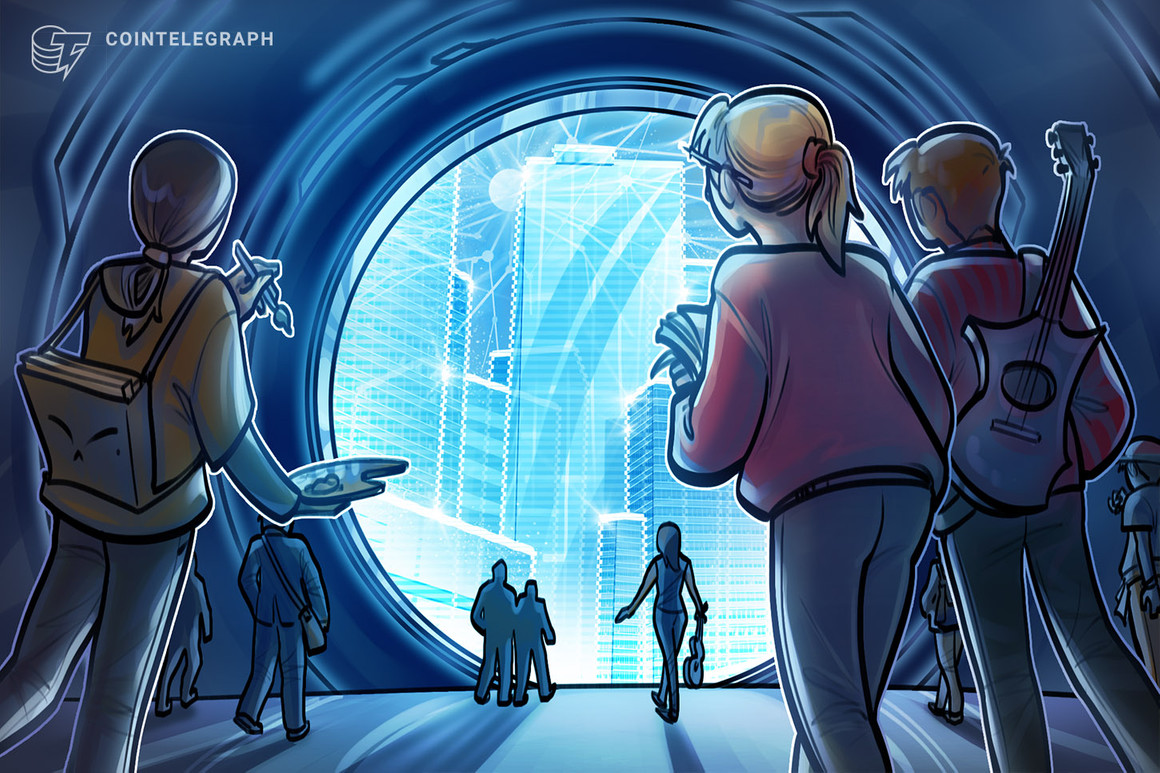
Does the term “creator economy” make you think of some idealistic environment where creativity, authenticity and passion are key values? Where true Michelangelos and da Vincis drive progress through their talents without struggling for food and proving themselves all their lives to get a chance to be recognized posthumously? If so, I’m with you.
Though creativity has existed as long as humanity, we started to discuss it as the new economic paradigm not so long ago. What’s more, now we even talk about it in the Web3 dimension. To better understand what it is, first, let’s walk through the backstory of the creator economy. How did we actually arrive here? Often, looking back at the past is a great way to get real insights into what is happening today. It won’t make you yawn, I promise.
The backstory of the creator economy
The transition to the creator economy has been long-incoming and uneven. Now let’s explore the major economic and social development shifts that eventually brought us there.
1. From the agrarian to the industrial economy
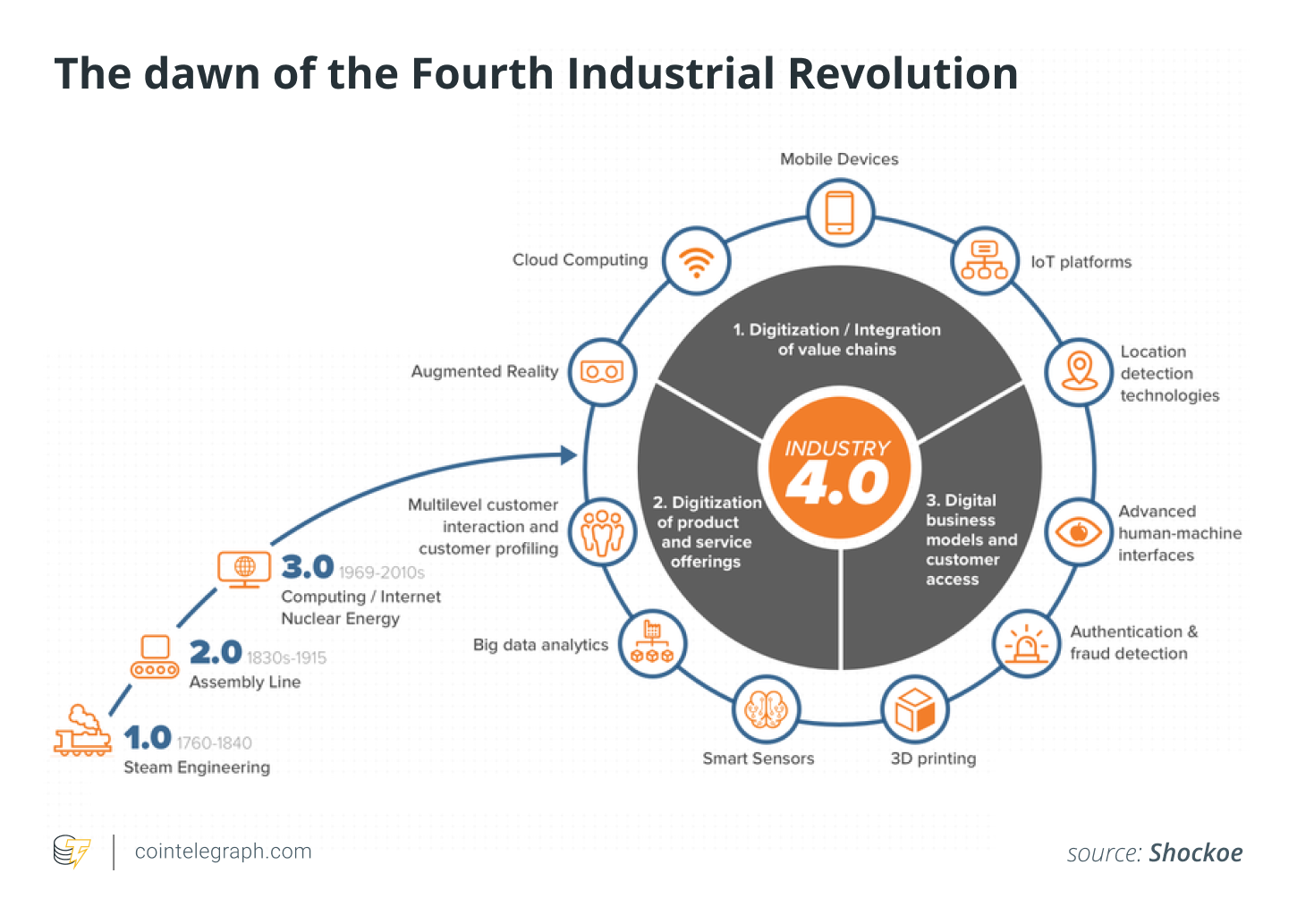
In the mid-18th century, we got the Industrial Revolution that led to the jump from agriculture to manufacturing. That was when the industrial economy started, and it continued until World War II. The main task of the industrial economy was to produce more goods that would be accessible and affordable for a broader category of people.
Unlike today’s overabundant reality, goods were scarce and not easily accessible at that time. To achieve its goals, industrialization triggered significant economic changes, shifting the power from agrarians to manufacturers, with the latter having become the center of the new economic reality. Industrialization also brought the culture of hard work, competition and development of new ideas primarily related to the stuff production and automation processes. That was what creative minds were focusing on those days.
It doesn’t mean there was no place for pure creative activities, like music, writing or painting, in those days. However, they definitely were not number one on the agenda. Artists just kept going on their own. The creative field wasn’t seen as a separate economic subset deserving some special attention.
2. From the industrial to the consumer economy
The post-World War II period was a time when manufacturers started producing more goods than people wanted to buy. Stuff was no longer scarce. The economy got a new challenge: to make a customer wish to buy what the market constantly offered. Therefore, the industrial economic paradigm started getting replaced with the consumer one. Customers (or consumers) had become the central actor of the new economic reality, having replaced manufacturers.
Among other crucial players who came onto the scene were salesmen, marketers and mass media (TV, radio, newspapers, etc.). The primary job of the first two was to ensure that consumers keep buying, while mass media heavily stimulated the demand for goods, set trends, and shaped attitudes toward almost everything.
Also, mass media gave rise to phenomena such as pop culture, at the core of which were the production and distribution of creative products geared toward a mass audience. Pop culture was facilitated by the so-called cultural industries that included design, printing, publishing, multi-media, audio-visual, cinematographic productions, etc.
Unlike the industrial economy, the consumer paradigm brought a tremendous variety of creative jobs and activities. However, creativity, in general, was limited by a major requirement: It had to sell well to the masses. Here, with most creators, were the employees of corporations. Creating and growing your audience and earning a living from that were quite challenging tasks. As Paul Saffo fairly mentioned, you could be known only if you were a journalist or worked on TV. Creators who wanted to let the world know about them were always dependent on the discretion of producers, publishing agencies and other kinds of gatekeepers. To make those guys like you was a necessary prerequisite. Fortune was the most reliable strategy here.
3. From the consumer to the creative economy
In the 1990s, the consumer economy shifted to its digitization phase. A huge spectrum of economic segments started transforming with IT solutions. This new economic digital environment launched the demand for a new type of creativity — an innovative and digital one.
Sometime later, governments of different states started to officially declare creativity as a “valuable asset that creates wealth and employs.” They also injected a new concept of the “creative industries” and the umbrella term for them the “creative economy” (not creator!) and tasked themselves with providing regulatory and financial support for the latter to strive. Among the first countries that did this were Australia and the United Kingdom.
At the core of the creative economy concept were individual talent, innovation and exploitation of intellectual property. The spectrum it covered was pretty similar to one of the mentioned cultural industries — design, writing, audio, video content, etc. However, in the case of the creative economy, those activities had to be IT-powered.
The new challenge here was to bring innovations into most economic segments and satisfy the demand for new digital products and services.
Despite that the term “creative economy” can make us think about some artist-centered paradise, in fact, like the consumer economy, it was primarily aimed to serving consumer needs. It didn’t offer the creators any new groundbreaking ways for turning their talent into independent entrepreneurship. Instead, the creative economy was more about “creativity by employment” rather than stimulating creators to succeed on their own terms.
4. From the creative to the creator economy
The next economic shift happened when giant IT platforms such as Google, Facebook, YouTube and the like came onto the scene and started competing with the traditional mass media.
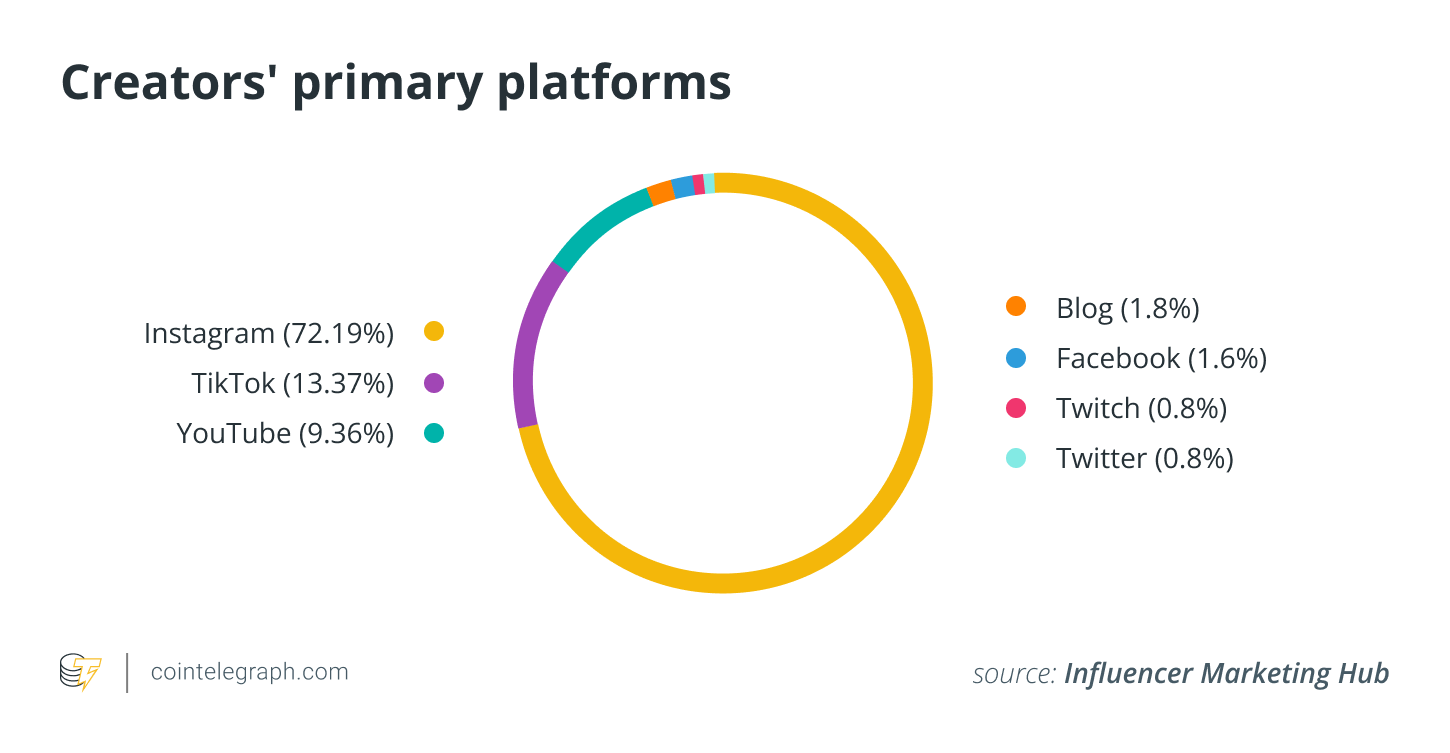
During the global financial crisis in 2008, these platforms had become so popular that traditional mass media were getting left behind. People began to live on them and use them as the primary sources of information, knowledge and networking. That was a digital media revolution. And that was where the creator economy began.
The task of the new economic paradigm was to convert customers through engagement and participation. Unlike the consumer economy, where customers just bought what was offered, the creator economy enabled them to participate, interact and add value. It also unlocked the tools for promoting themselves as “products” and monetizing on that.
Writers, musicians, painters and other types of creators got a tremendous path to promote themselves and reach out to their fans. Instead of pleasing old-fashioned gatekeepers (producers, casting managers, publishers, etc.) to give them a chance, now they can easily use the power of the platforms to share their creativity and find their fans. The barriers were negated.
Generally speaking, not only professional creators could do it. Everyone with a laptop and an internet connection can now get a chance to try themselves as creators.
Related: The creator economy will explode in the metaverse, but not under Big Tech’s regime
What does the creator economy mean in 2022?
As there is no academically shaped definition for the modern creator economy yet, we can allow some freestyle here:
Conceptually, the current (or Web2) creator economy is an online economic segment powered by a set of interactive digital platforms, marketplaces and tools that enable users to access and create content, as well as monetize it.
The creator economy implies no entry barriers or casting. All you need is to sign up and follow platforms’ terms and conditions. Here is the trick: When you use a platform, its algorithm aggregates some of your data and tracks you in some manner. This is the payment for participation.
Related: Web3 relies on participatory economics, and that is what is missing — Participation
The platforms provide you with a variety of tools for content creation, design and distribution through ads. The latter is the main income source of platforms.
Another achievement of the creator economy is that it unlocked a wide variety of ways of monetizing work for creators. If in the previous economic paradigms an artist could earn primarily through selling or licensing their IP rights, they can also do it through advertising, tipping, brand sponsorship, affiliate links, streaming and many other digital marketing activities.
Even if your content is originally not digital, you can still use platforms to advertise your work, engage and convert your audience, find different ways of collaboration, and so on. The sky’s the limit here. However, some cut of your income always goes to a platform (well, a huge one).
To sum up, the main goal of the creator economy is to empower the online entrepreneurship of creators by providing them with digital marketing tools and removing any barriers or discrimination.
Spoiler: The barriers are still there. They are just different. We will look at them closely in the next articles.
Related: Accessibility is the main barrier to crypto adoption — Here are the solutions
Why do we need to upgrade the creator economy for Web3?
I could probably answer this question by giving a massive list of problems of the current creator economy that have driven us to consider its Web3 upgrade. However, I believe that the primary reason is not in these problems. It is the mentality shift that eventually made us spot these problems and realize that there could be a better alternative reality without them.
The main catalyst for this mentality shift was crypto. It infected us with the ideas of disintermediation, independence from third-party service providers, 100% data ownership and self-sovereignty. Crypto has generated a new way of thinking and caused us to look at ordinary things through entirely different lenses.
Initially applied in finance, crypto’s disruptive mission has spread to many other economic subsets. Now we call it the Web3 movement. And the Web3 creator economy is a special case.
Here is the essence of the Web3 economy concept:
- Eliminating intermediary platforms between creators and their fans.
- Creator’s owning 100% of their data, brand and work.
- Transparency of business processes and money-making.
- Stimulating authentic creativity instead of ad-driven content production.
I will break this down in the following articles — so stick with me. We will also detail the current creator economy problems and see what kind of solutions Web3 has cooked up for us.
Related: Decentralization revolutionizes the creator’s economy, but what will it bring?
To sum up, the creator economy is that organic evolution stage that we’ve come to after passing through all those social developments and economic shifts described herein.
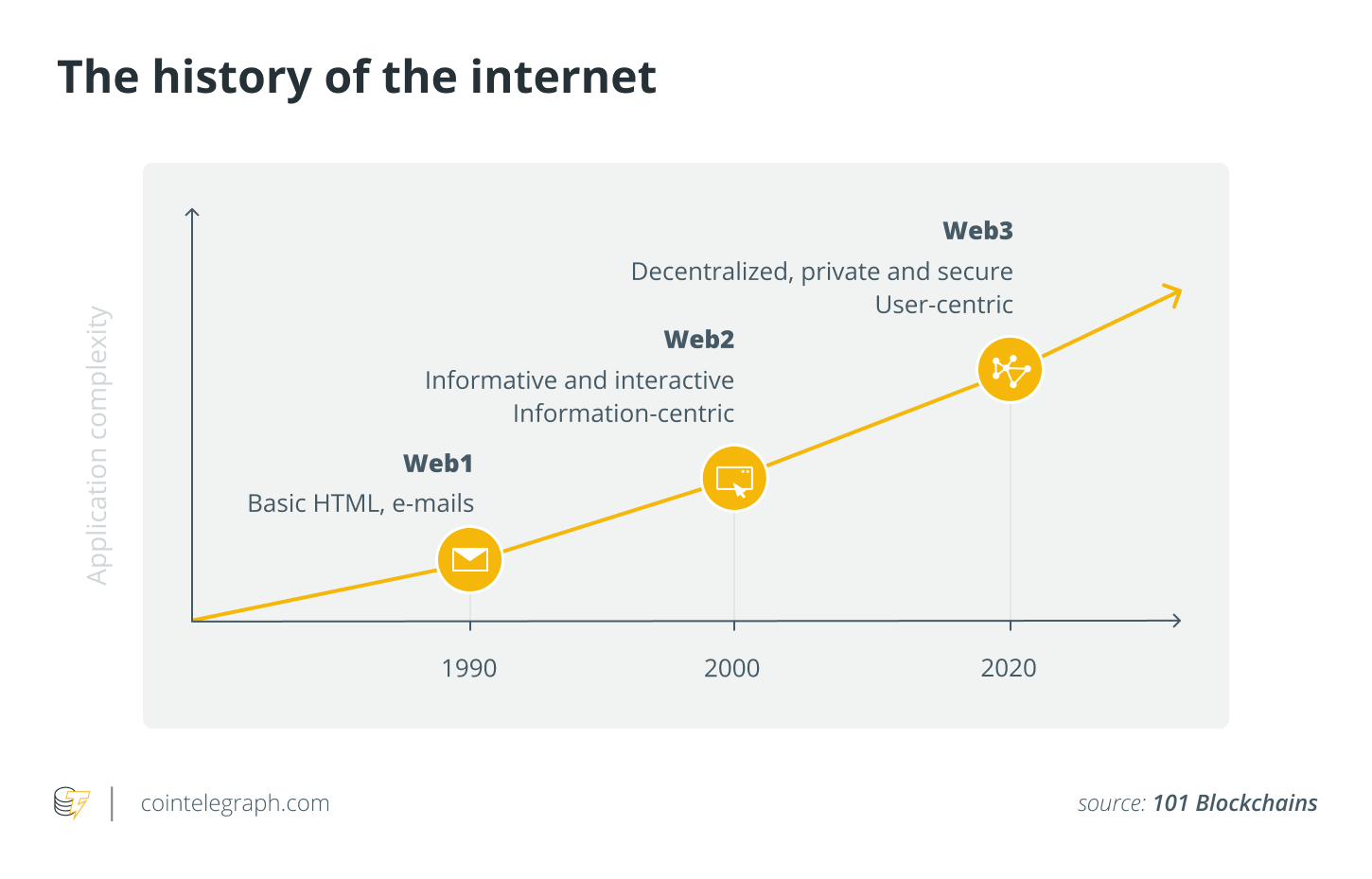
The upcoming Web3 paradigm of the creator economy aims to enable creators to build their own independent “open economy” where they can co-own it with their fans and directly monetize it without looking to any third party. As some field experts assume, if this model succeeds, we will enter a new era of wealth generation where creators will no longer be just the products. Instead, they will become new economies.
This article does not contain investment advice or recommendations. Every investment and trading move involves risk, and readers should conduct their own research when making a decision.
The views, thoughts and opinions expressed here are the author’s alone and do not necessarily reflect or represent the views and opinions of Cointelegraph.
Julie Plavnik has a Ph.D. in law, was a corporate lawyer in the past, and is now a Web3 content strategist and heavy-info blog-posts writer. Julie is excited like a kid about the Web3 movement.