
Matter was meant to unite smart home ecosystems, but instead, it has made the landscape more confusing. Rather than simplifying compatibility, it has added another layer to the problem it set out to solve.
Since each ecosystem supports a different version of Matter, device compatibility varies widely. As a result, I’m hesitant to trust Matter-certified products, since seeing the Matter logo no longer guarantees a device will work with my preferred smart home platform.
Matter’s mission for the smart home
Matter is the current smart home standard designed to let devices from different brands work together without worrying about which ecosystem you use. It operates over Wi-Fi, Thread, or Ethernet.
It isn’t a new wireless protocol but a universal language for smart devices, enabling flexibility across smart home platforms.
Since its launch in 2022, more devices have been added to the list of compatible products. These range from basic accessories, such as smart plugs, light bulbs, and wall switches, to newer additions like cameras and robot vacuums.
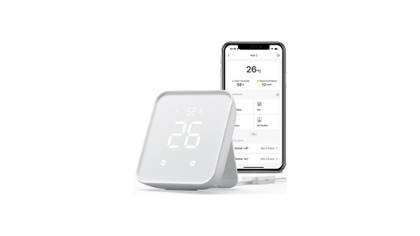
Most Matter-compatible devices work on their own, but some require an additional hub, such as the SwitchBot Hub 2.

7/10
- Size
-
3.15 x 2.76 x .91in (8 x 7 x 2.3cm)
- Connections
-
WiFi 802.11 (2.4 GHz only) and Bluetooth 4.2
However, while Matter started on the right foot, it has lost sight of its original goal. This isn’t a failure of Matter itself, but rather an issue with how individual ecosystems have kept up with its updates.
The current state of each ecosystem
The biggest issue with Matter right now is that each ecosystem—Apple HomeKit, Amazon Alexa, Google Home, and Samsung SmartThings—is on a different version of the standard. As a result, not every Matter-certified device works across every ecosystem.
Samsung SmartThings
Samsung has been at the forefront of Matter support, recently updating its smart home ecosystem to version 1.5. This is the latest version of Matter, released in November 2025.
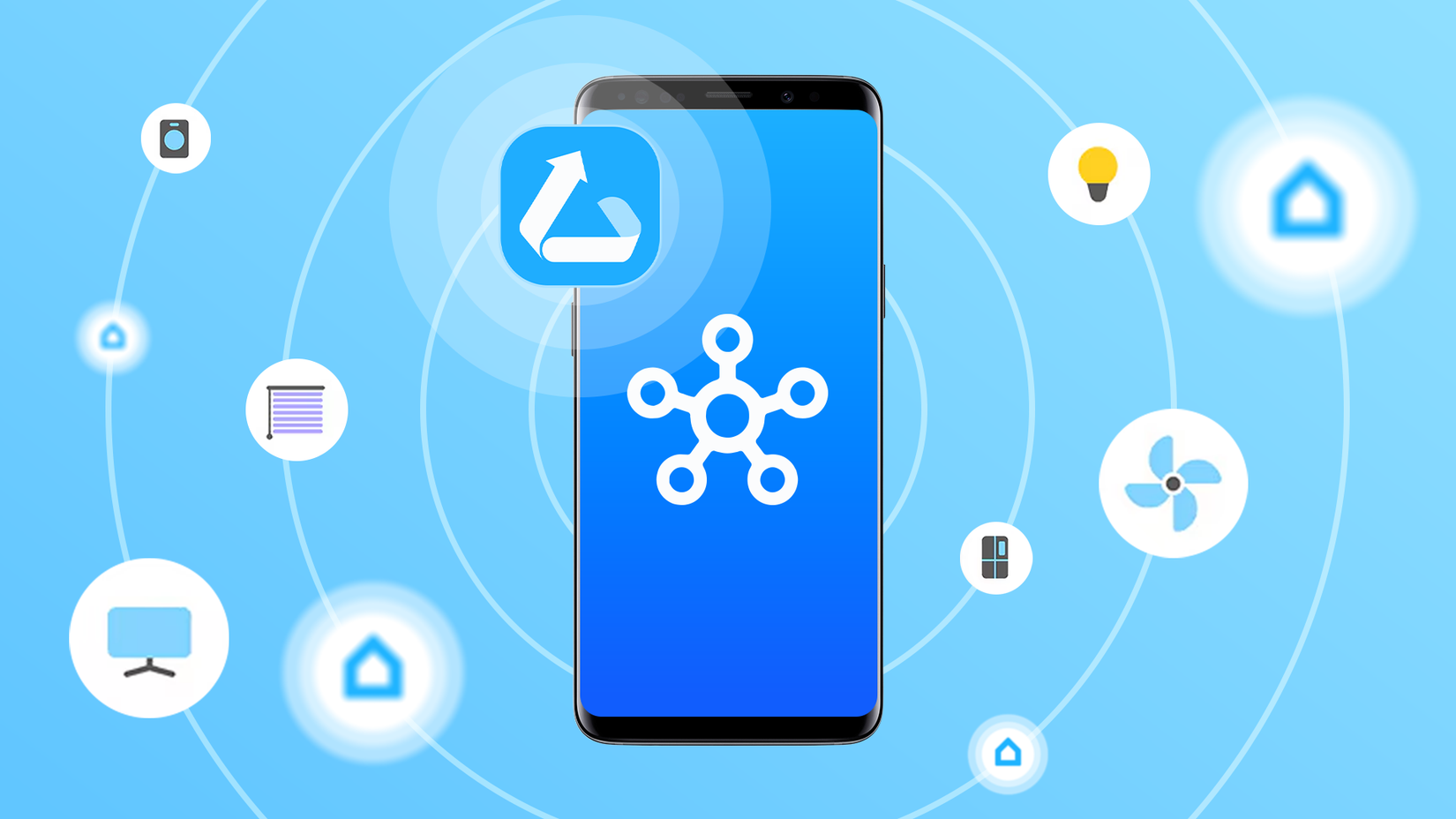
This means any device compatible with earlier versions of Matter should also work with SmartThings. That includes basic accessories, such as smart plugs, as well as less typical devices like washing machines.
That said, many less-common Matter-enabled accessories, like refrigerators, are made by Samsung, so their compatibility with SmartThings isn’t surprising.
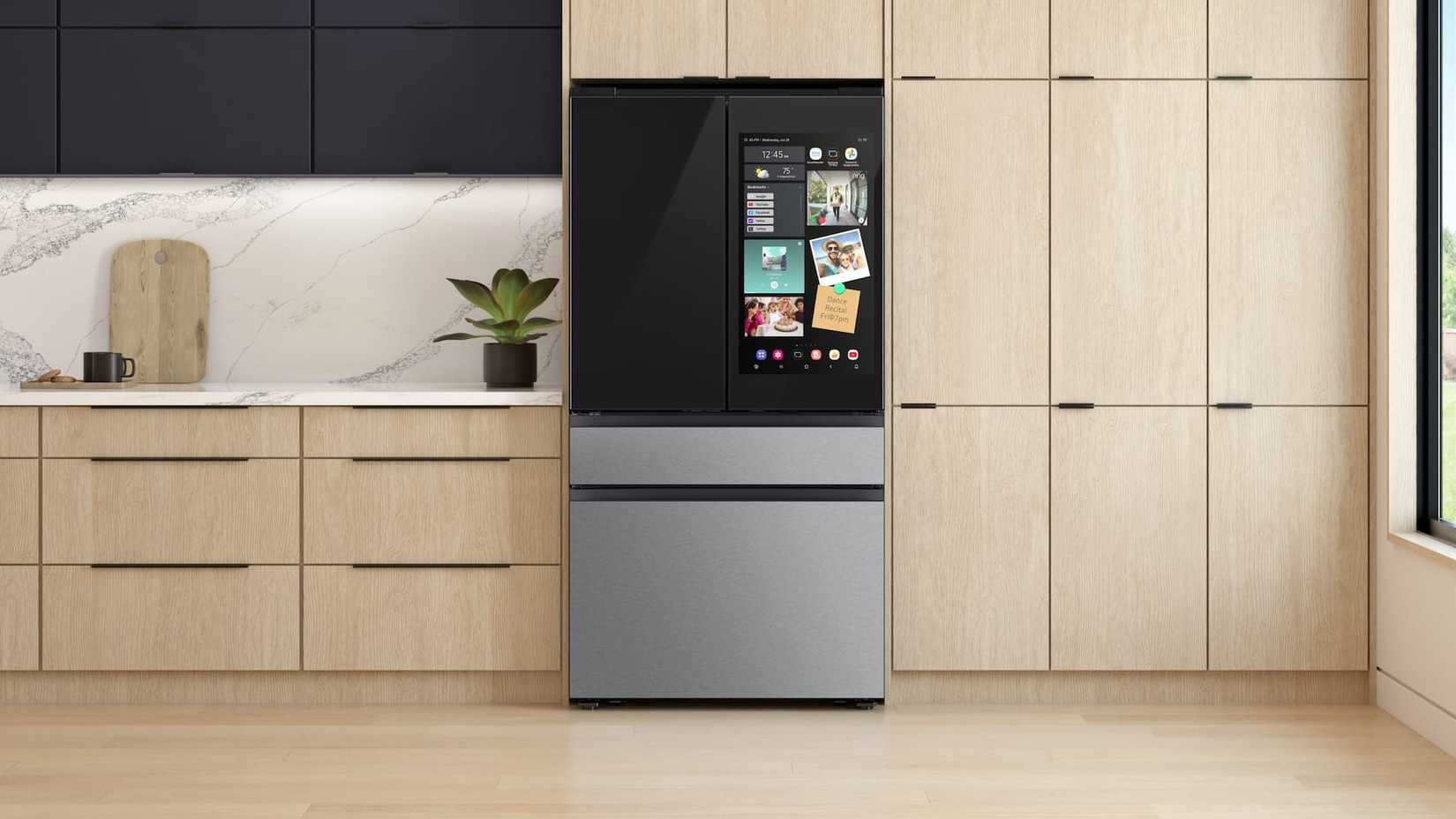
This newest version of Matter also brings support for various device types, such as video cameras and soil sensors—just to name a few. All of which will be compatible with SmartThings.
Amazon Alexa
While not leading the pack, Amazon Alexa has remained near the front in Matter support. It currently supports Matter version 1.4, which expanded compatibility to less-common smart home devices such as water heaters and heat pumps.
Matter 1.4 was released in November 2024, making it the last major update before version 1.5 arrived a year later. In between, Matter 1.4.1 and 1.4.2 were released, though those updates focused primarily on setup improvements and backend reliability. Amazon included those refinements in its Matter 1.4 implementation.
To further strengthen its Matter ecosystem, Amazon has turned more than 100 million devices—including Echo speakers and Eero routers—into Matter hubs through software updates.
Apple HomeKit
Apple’s smart home platform also currently supports Matter 1.4. While this update added support for several new device categories, not all of them work entirely in HomeKit.
Even though Apple has built Matter 1.4 into its new Apple Home architecture, that doesn’t mean every supported device can be fully controlled in the Home app. If Apple hasn’t created an interface for a specific device type, control is often limited to basic functions like power on/off, with more advanced features available only through the manufacturer’s app.
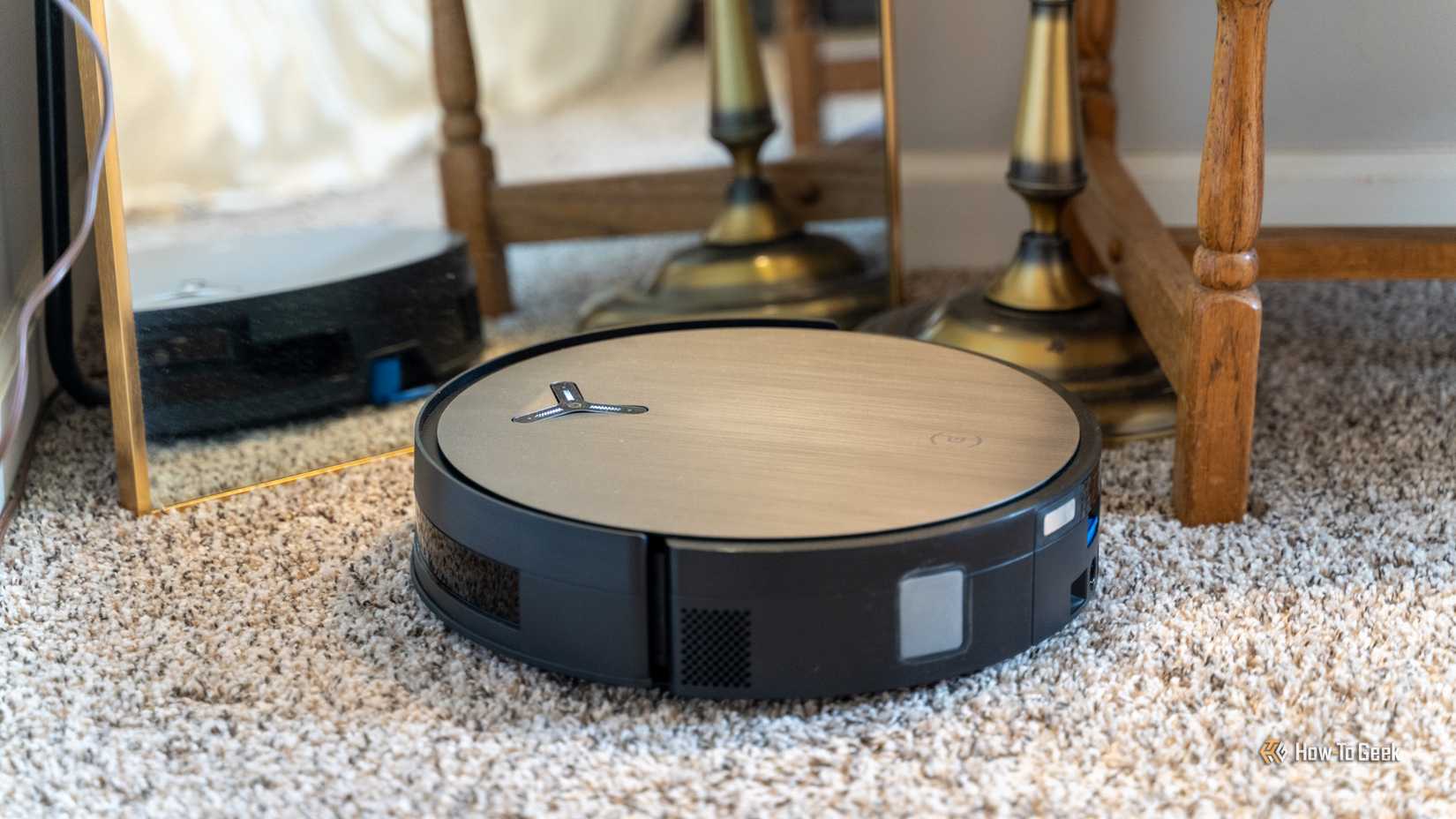
The last major smart appliance addition to the Home app came with robot vacuum support in iOS 18.4, released in March 2025. That update arrived more than a year after robot vacuums were added to the Matter standard in version 1.2, released in October 2023.
Apple has also announced that the deadline to update to the new Apple Home architecture is Feb. 10, 2026. The update promises better performance, stronger reliability, and improved capabilities.
Google Home
It’s no secret that Google has lagged behind other ecosystems in updating its smart home platform to Matter, and it has been slower to adopt newer versions.
As of now, Google Home supports Matter devices up to version 1.2, which was released nearly three years ago. Even then, not every compatible device works fully with Google Assistant, despite appearing in the Google Home app.
While Google may certify newer Matter frameworks in the future, that doesn’t mean devices are immediately compatible. Google says this approach helps ensure devices meet its standards for quality, compatibility, and security across the ecosystem.
Why I’m hesitant to buy Matter-certified products
The promise of Matter was simple: see the logo and know the device will work with your smart home ecosystem, regardless of which one you use. In practice, that hasn’t held.
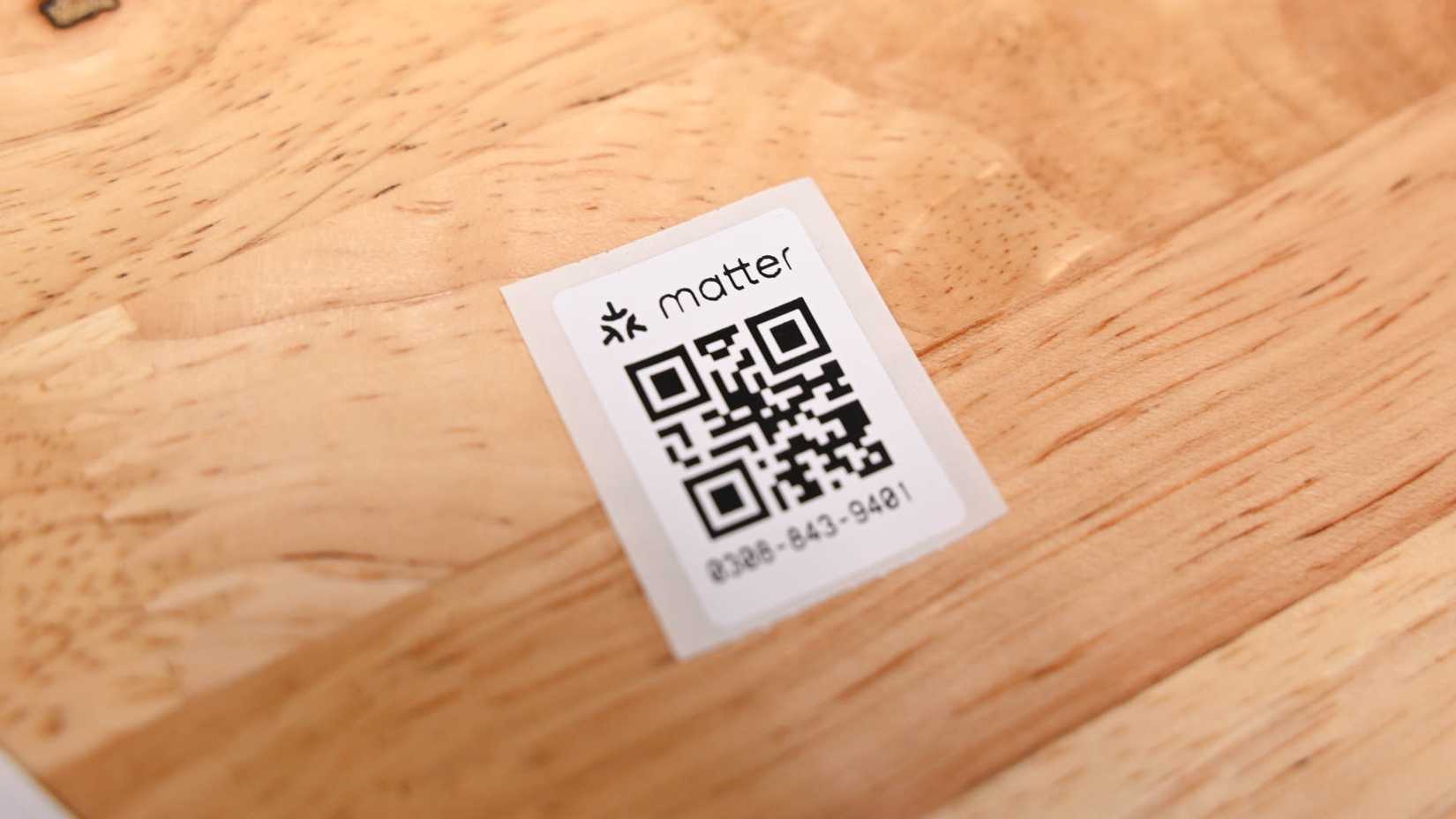
Since ecosystems support different versions of Matter—and therefore different device types—you can’t rely on the logo alone to guarantee compatibility. At this point, the Matter badge carries about the same weight as a “works with…” label for a specific platform, rather than serving as a proper universal standard.
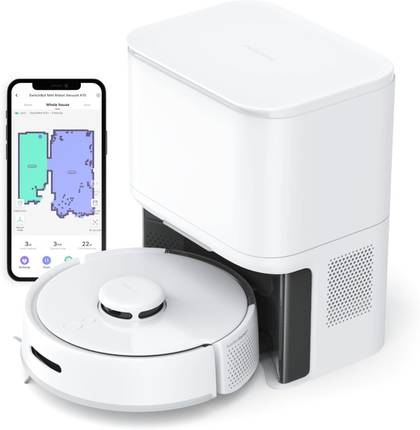
This became apparent when Matter added support for robot vacuums in version 1.2. While the standard technically supported the devices, HomeKit didn’t support them and instead showed them as basic outlets.
7/10
- Dimensions
-
9.76 x 9.76 x 3.62in (248 x 248 x 91.95mm)
- Battery Life
-
150 min runtime
Full support didn’t arrive until about a year and a half later, even though robot vacuums, like the SwitchBot Mini K10+, were already being advertised as Matter-certified. That left me repeatedly wondering why it wouldn’t appear in the Home app or why it wouldn’t work the way I expected.
The same issue exists with Google Home, which supports some, but not all, devices introduced in Matter 1.2, while devices added in later versions aren’t compatible at all.
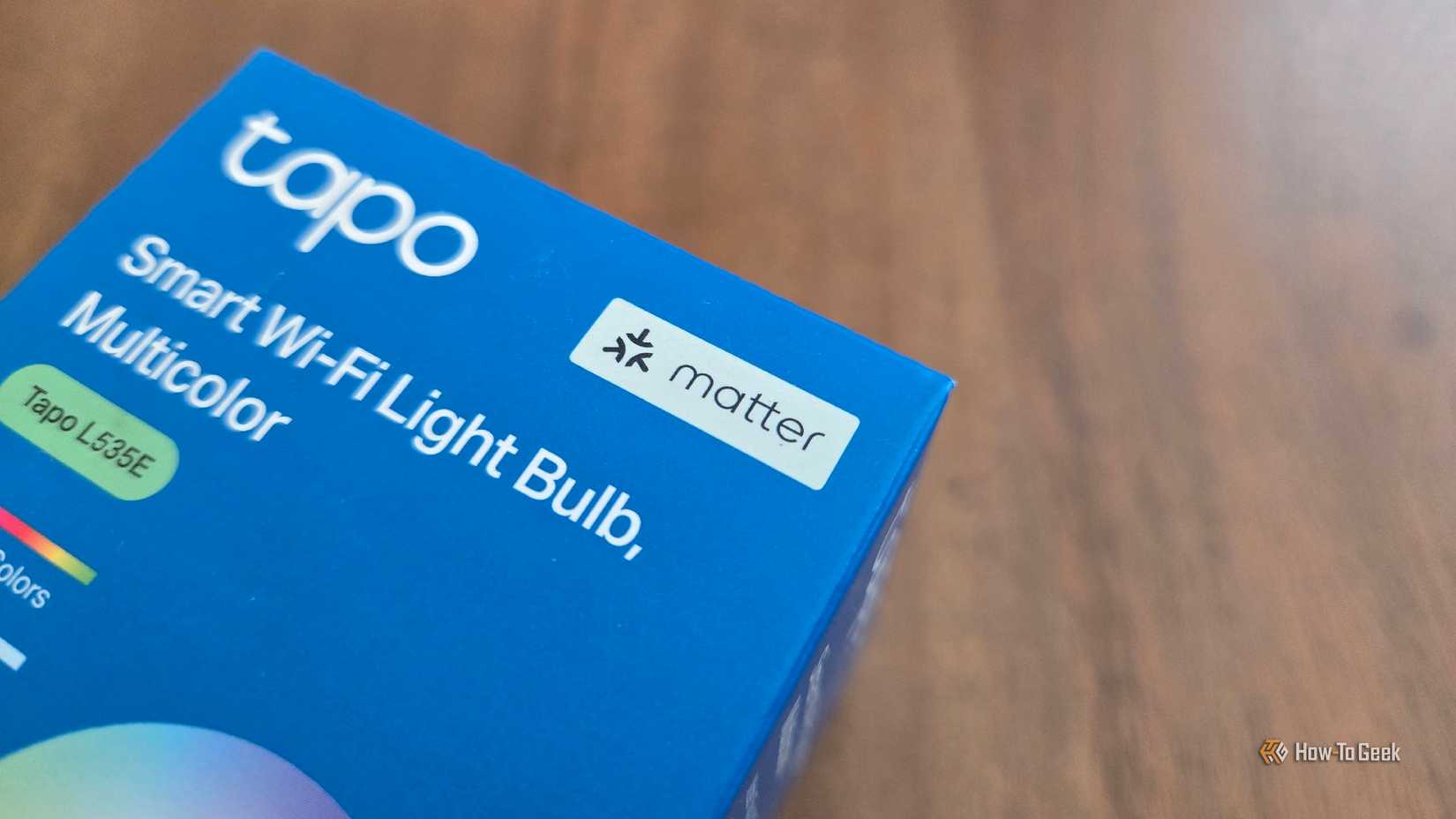
This further highlights that a Matter-certified label doesn’t guarantee a device will work across every ecosystem. Instead, it forces users to do additional research to confirm whether their chosen platform actually supports the device.
In hindsight, that adds more work and confusion than the old labels that clearly stated which ecosystems a product worked with.
The Matter logo was meant to signal broad compatibility across smart home ecosystems, but it no longer carries that assurance. When I see it now, I question how flexible that compatibility really is.
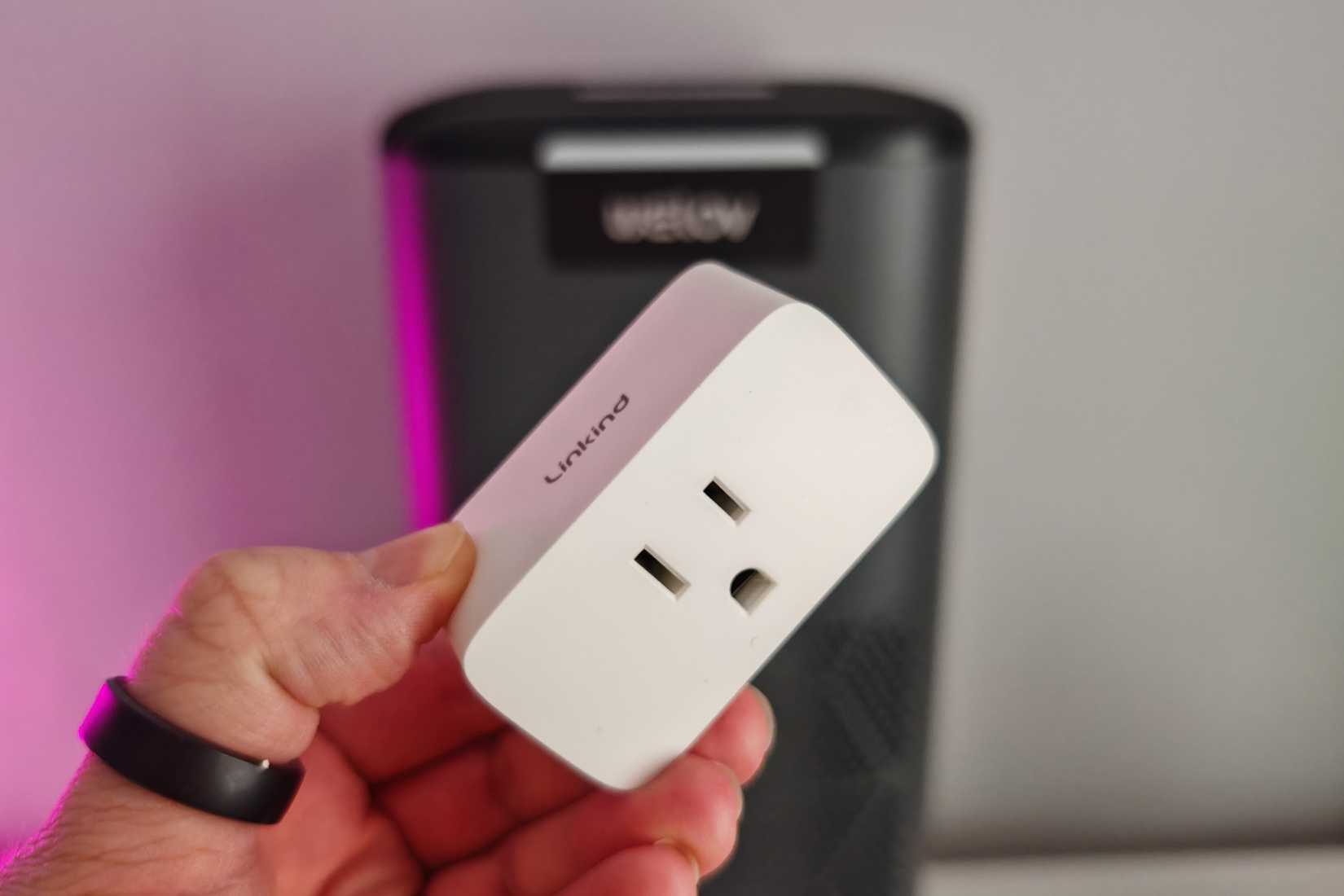
For basic accessories like smart plugs, I’m confident they’ll work everywhere because those device types have been supported since Matter 1.0. But for newer categories, I have to research whether they’ll actually function properly in my chosen ecosystem, or whether they’re another product I’ll need to wait on.