

Virtual Reality (VR) headsets are the piece of metaverse gear you really want to have if you’re planning on getting the best out of your experience in virtual worlds. More than phones and AR glasses, virtual reality headsets will enable fully immersive and interactive experiences. The technology already exists, but it has faced many challenges that have made its mass adoption a distance reality for now.
Usage of these headsets is low due to a number of factors, from the high cost of such gear to the low number of applications it currently presents. Another significant issue has to do with how heavy most gadgets are to wear, which becomes an uncomfortable experience for users and it means that trips to the metaverse have to be done for small periods of time. In addition, users may also face some side effects of using this technology like dizziness and motion sickness. The good news is that tech companies have made breakthroughs that have seen great improvements to the headsets, including improving weight, battery time, and removing the need to plug the devices to a computer.
The market for AR and VR headsets has surged in recent years. In 2021, it grew 92% to over 11 million units, according to data from IDC.
And while Meta’s Quest 2 headset continues dominating the VR technology market, with about 78% of sales in 2021, there are many other VR headsets worth taking a look at.
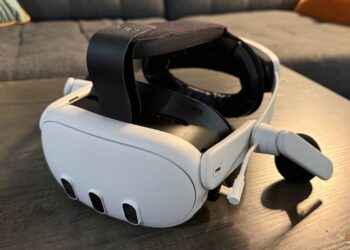
This headset is a safe and reliable entry point for any VR world, without breaking the bank. For the price tag of just $300, you’ll get one of the most complete VR experiences currently available, including super high resolution (1832 x 1920 pixel display for each eye), wireless features, ultra accurate motion tracking and compatibility with PC VR. Unlike many of its rivals, the wireless device does not require any PC connection and runs apps and games natively, making it a safe and easy to use choice.
This VR headset is one of the newest on the market and boasts one of the highest resolutions currently available, with 2448 x 2448 pixels per eye, totalling 4896 x 2448 visible pixels. This means that you can count on having a truly stunning VR experience that will keep you glued to whatever virtual adventure you’re having. Critics have hailed the impressiveness of the graphics during gaming sessions in particular. On top of that, HTC also has used a dual-stack lens design which will give you a more realistic view of the metaverse and help you achieve a ‘true’ 120-degree field of view.
If you’re willing to go all in, Valve Index offers perhaps the best VR experience out there (in exchange for $999 of your money, of course). In addition to the actual headset, Valve has received much praise for its controllers that can take virtual reality experiences to a level of immersiveness way ahead of the competition.