


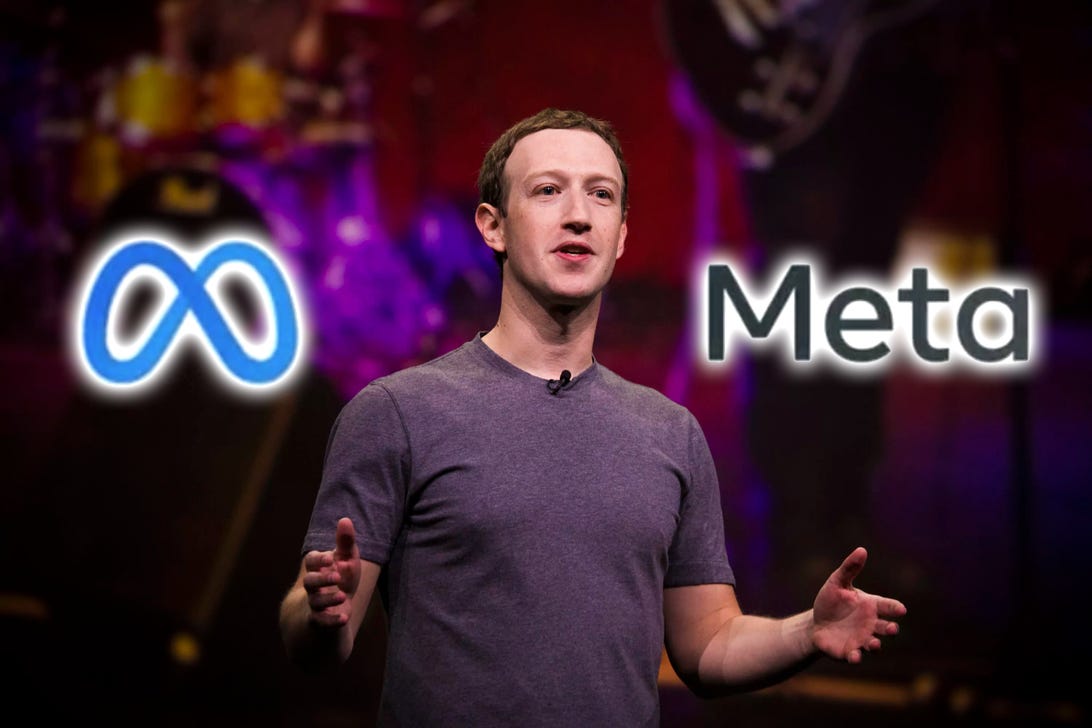
Mark Zuckerberg is all about the metaverse.
James Martin/CNET
If the metaverse is going to have a place in the world, Meta CEO Mark Zuckerberg knows there are many challenges, like, getting people to invest their time and money in it. “The future belongs to the people who believe in it more than others,” he said.
Zuckerberg was speaking via video at SXSW on Tuesday, in conversation with Daymond John, founder and CEO of Fubu, and one of the sharks on ABC’s Shark Tank.
He touched on a variety of issues facing the metaverse, very broadly defined as a digital world (or worlds) that builds off the internet, via technology including smartphones, VR headsets and AR glasses, and that will be a place to socialize, work and shop.
One of them, he said, is being conscious that the tech being built now will improve over time.
Zuckerberg also talked about need to create avatars that people can relate to and that will represent them, not just in terms of skin color and body shape, but also the inclusion of things like wheelchairs and hearing aids.
“The question is, ‘Do I see myself in this? And is this a place I want to invest?'” he said.
For Zuckerberg, the answer is clearly yes. So much so, that the company he founded — Facebook — changed its name in October to Meta. “This is the next chapter of our work, and, we believe, for the internet overall,” Zuckerberg said at the Facebook Connect event at the time.
At SXSW, he again noted that he believes the metaverse will end up being the most important part of what Meta does.
There’s still a lengthy road ahead before these digital worlds become functional or even widespread. At Mobile World Congress in February, Zuckerberg talked about how the metaverse will require connectivity infrastructure that can support the technology as it progresses, and how it’s going to take collaboration with various partners to make that happen.
He underlined this theme at SXSW, touching on how people should be able to take the digital goods they’ve purchased from digital place to digital place — like a sweatshirt for an avatar.
“It’s not that useful for people to buy their clothing in one game or one experience but they can’t bring it to another one,” he said. “Then they might not buy as much stuff, which means that there will be a smaller creator economy for everyone.”
Though it didn’t come up at SXSW, Meta will also have to face the challenge of old problems in a new digital form — harassment in virtual reality.
Zuckerberg also ran through a laundry list of tech challenges being worked through, and compared the Quest headset, made by Meta’s Oculus unit, to the original iPhone as an initial milestone.
He kicked off his SXSW session acknowledging the awkwardness of talking about future technology in the midst of the Russian invasion of Ukraine. After Facebook and Instagram (also owned by Meta) cracked down on misinformation about the war in Ukraine, Russia blocked access to both services.
“We have teams working across the company that are working on trying to make sure that our services are available and that people can stay connected during this time,” he said. “I just want to mention it up front. Just share my support for everyone in Ukraine.”