

Amazon’s
AMZN -1.24%
plan to buy Roomba is in part a bet that
Facebook’s
META -2.03%
lawyers will clean up their mess.
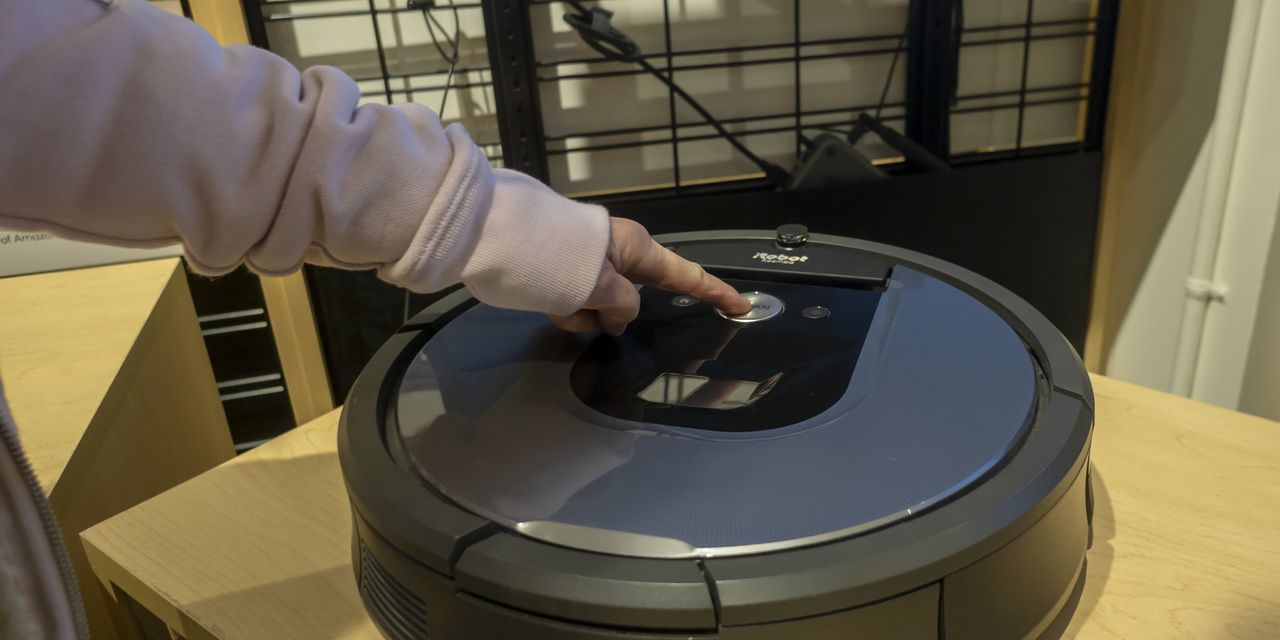
Amazon, the world’s largest tech company by annual revenue, is seriously pushing back against the notion that there is too much heat in Washington for tech giants to undertake significant acquisitions. Its plan to acquire iRobot, maker of the Roomba robot vacuum, for $1.7 billion in cash that was announced Friday morning comes just two weeks after the company announced a $3.9 billion deal to buy primary healthcare provider One Medical. And that came just four months after Amazon closed its $8.5 billion buyout of Hollywood studio MGM, which the Federal Trade Commission said at the time it could still challenge.
iRobot’s
IRBT 19.10%
shares were trading just 2% below the proposed purchase price Friday afternoon following the announcement, suggesting investors aren’t too worried about the ultimate outcome. It is certainly an opportunistic move for Amazon, with iRobot’s shares nearly 70% off their peak from early 2021 as the company has struggled with component shortages and swings in demand. iRobot has missed Wall Street’s revenue target in its past three quarterly reports, and the 16% miss reported in Friday’s second-quarter results was the biggest yet.
The deal also won’t make a dent financially. iRobot’s current base of about $1.4 billion in annual revenue is just a little more than what Amazon generates in a single day. But, unlike One Medical, which is a relatively small player in the widely dispersed business of primary-care doctors, the Roomba maker has a commanding lead in the market it pioneered. iRobot told investors at an analyst meeting in December that it has a 75% share of the North American market of robot vacuums and 62% of the global market excluding China.
That makes this deal more akin to Google’s acquisition of Fitbit, completed last year. The connected fitness-device maker’s business was a pittance to the $155 billion in annual revenue Google parent
Alphabet
GOOG -0.55%
was generating at the time. But Fitbit still had about a 10% share of the market for wearable devices at the time, plus a base of about 29 million users who would all be sending their very heartbeats to a company whose predominant business is selling targeted advertising. The prospect made many nervous: It took Google 15 months to close the deal, and only after making concessions to regulators that it wouldn’t use Fitbit data in its ad business.
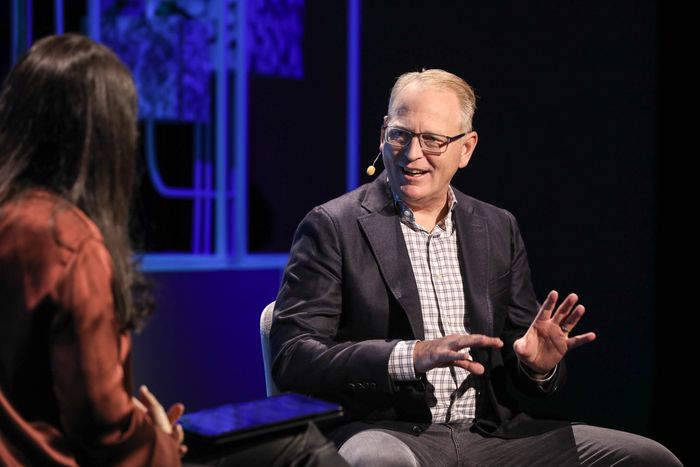
David Limp is senior vice president, devices and services at Amazon.com, which sells loads of robot vacuums from other makers on its site.
Photo:
Andy Davis for The Wall Street Journal
Amazon, of course, already has robots rolling around the home—and flying around it as well. It also sells loads of robot vacuums from other makers on its site, and the recent strength of its third-party business, along with scrutiny about how it treats its own products on its site, will likely keep the e-commerce giant from pushing the Roomba too hard onto customers.
Amazon might also be betting that big tech peer Meta Platforms makes its job a bit easier. The Facebook parent was sued by the FTC last month, with the agency trying to block its acquisition of the company behind the virtual-reality fitness app called Supernatural. The FTC’s claim is that the company that has rebranded itself as all about the metaverse is yet again trying to “buy its way to the top.” But Facebook has successfully fended off the FTC before, and another victory here could help curb the agency’s stated ambitions to bring big tech to heel. That may be needed if Amazon is going to keep trying to suck up opportunistic deals.
Write to Dan Gallagher at dan.gallagher@wsj.com
Copyright ©2022 Dow Jones & Company, Inc. All Rights Reserved. 87990cbe856818d5eddac44c7b1cdeb8