


Wandering around the metaverse is like being in a computer game, but soon, it will look exactly like real life. Unlike some dystopian visions of the metaverse, I don’t think we will give up on reality and stop participating in the physical world. On the other hand, advancements in artificial intelligence content generation will likely lead to a photo-realistic metaverse featuring exact replicas of ourselves and propel us toward a hyper-reality that combines our real-world and digital lives.
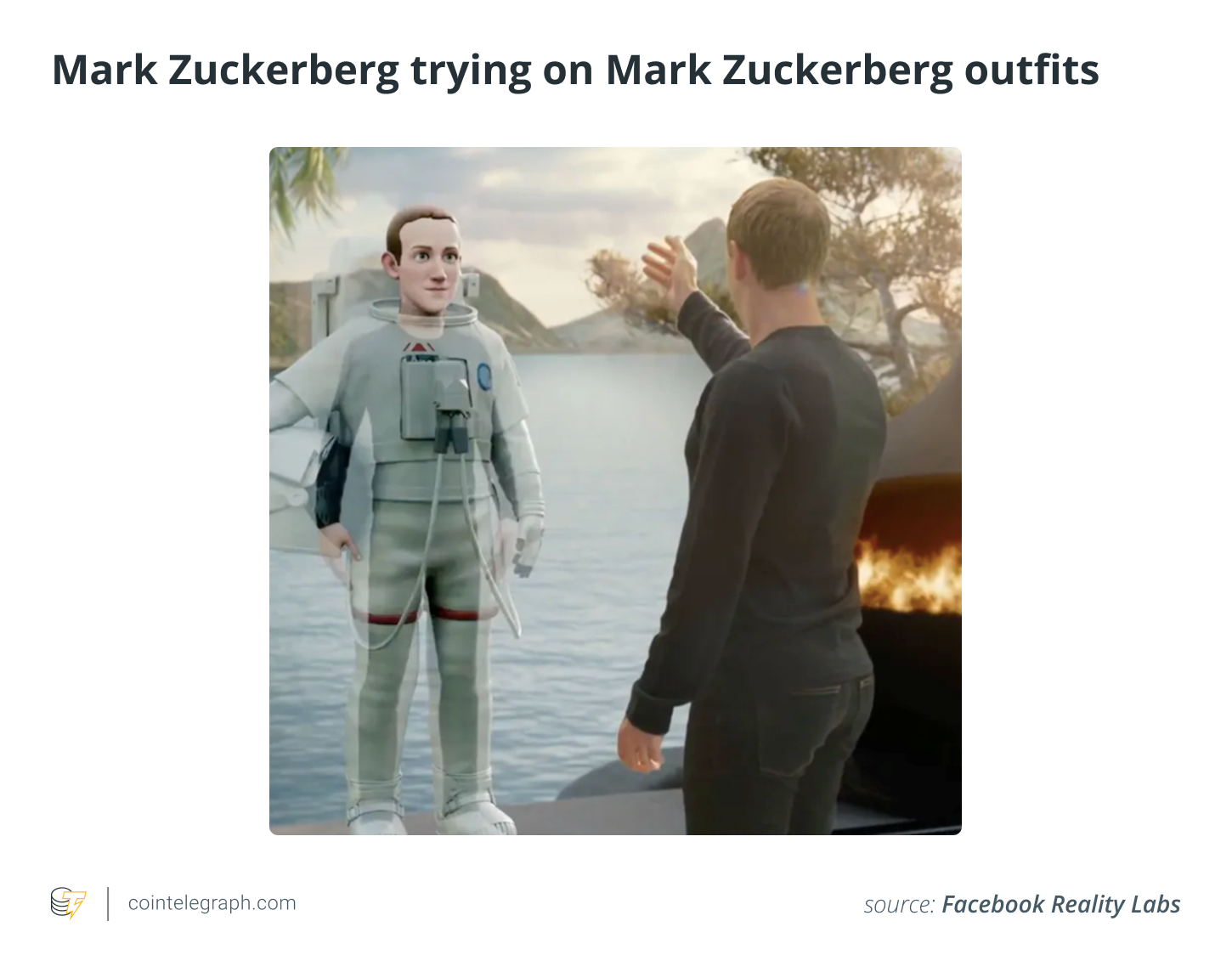
Everything we do today on the internet will happen in the metaverse, just with a more engaging visual interface. The virtual content we interact with today is low-resolution and cartoonish, which makes sense because making realistic content is expensive, and gaming makes up the majority of what is currently available in the metaverse. On the other hand, the physical world around us is vivid and rich with high-definition personalized content experiences that run 24/7 — also known as reality.
As technology advances, photo-realistic content in the metaverse will become indistinguishable from physical reality. The driving force behind this change will be powerful AI content generation algorithms that use real-world data to perfectly recreate versions of ourselves inside digital environments. The question is, as the real world extends into virtual space: How will you stop bad actors from controlling the photo-realistic virtual version of yourself?
Related: Web3, NFTs, metaverse: The tools for a truly decentralized future
Will our digital selves be slaves to big corporations?
The growth of the internet and an endless number of amazing digital products and services has created a torrent of personal data that has been collected by large corporations. Every search engine query, comment, like, profile picture, email and purchase is another note in the symphony of our digital identity that only certain corporations and their algorithms can hear. The metaverse takes data collection to a new level and will be filled with immersive content and increasingly rich data streams. While we may be willing to exchange our cookie data or information about what we buy for internet products and services that make our life easier, it is not clear that we will be comfortable giving corporations that same power over the unique biometric voice and face data required to create virtual versions of us in the hyper-real metaverse.
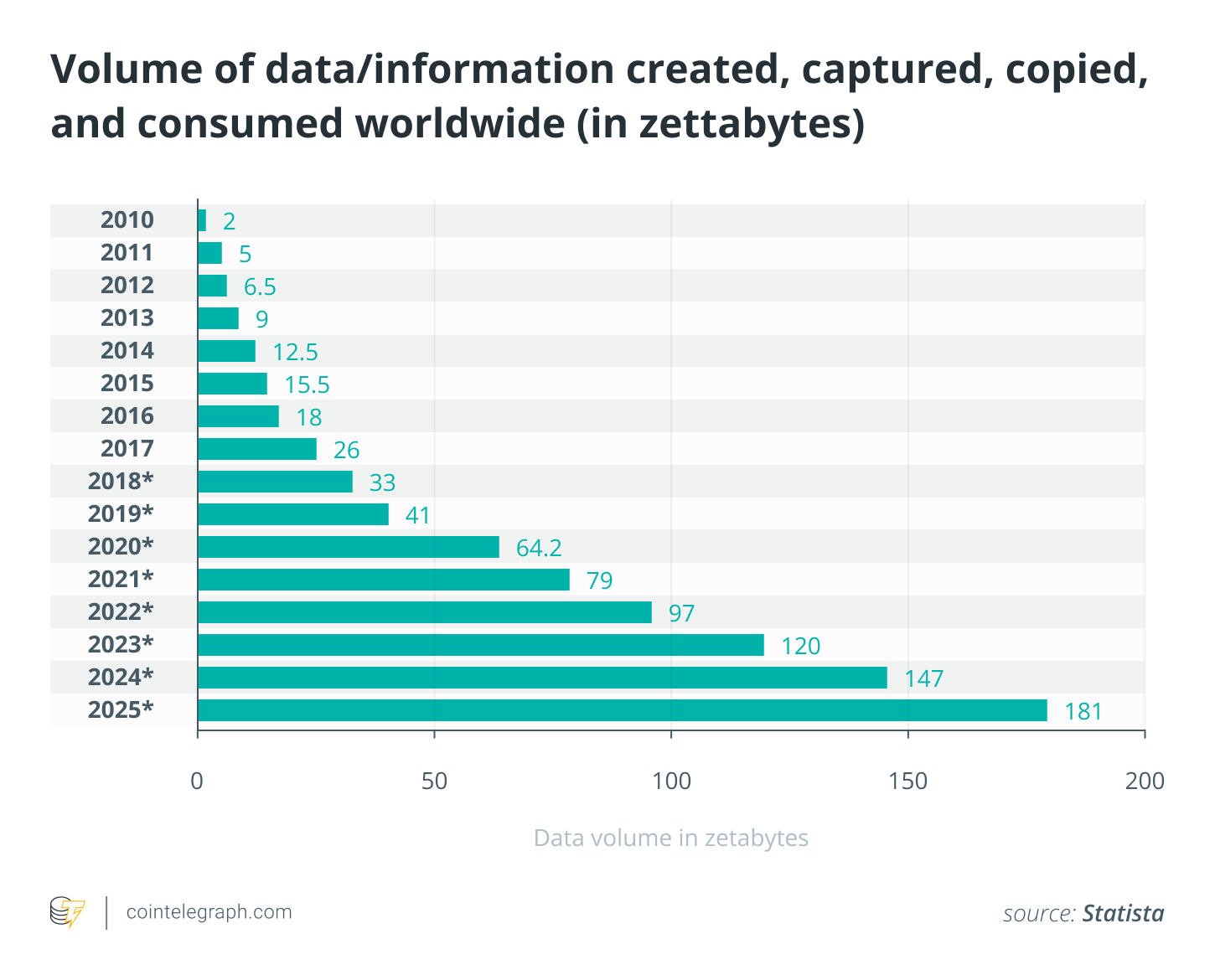
The way that many internet services collect data has made more and more people reluctant to share their personal data with online platforms, particularly among Generation Z. As we move to a hyper-real metaverse, the stakes are higher due to the incredibly intimate nature of the data required to render realistic versions of people, including digital copies of our faces, bodies and voices. This is a major hurdle for the development of an inclusive and user-friendly metaverse, especially when it comes to hyper-real content.
Related: A letter to Zuckerberg: The metaverse is not what you think it is
If we’re going to onboard billions of people into virtual worlds, content creators will need to use AI content generation algorithms trained on real-world data to create personalized, immersive experiences at scale. But individuals must be willing to share their intimate biometric and private data with content creators; otherwise, the metaverse may end up being nothing more than an endless Zoom call with a bunch of legless torsos floating around.
How to secure your hyper-real identity in the metaverse
The arrival of a “hyper-real” metaverse is both an exciting and troubling prospect. On one hand, the metaverse will create new immersive avenues for human expression and interaction. For instance, the move from analog phone calls to video conferencing began only 15 years ago, and it has rapidly transformed the quality of our interactions with family and friends around the world. Imagine how much more rewarding real-time, immersive and photo-realistic virtual “meet-ups” will be when you really feel like you are there in person with your friends and loved ones.
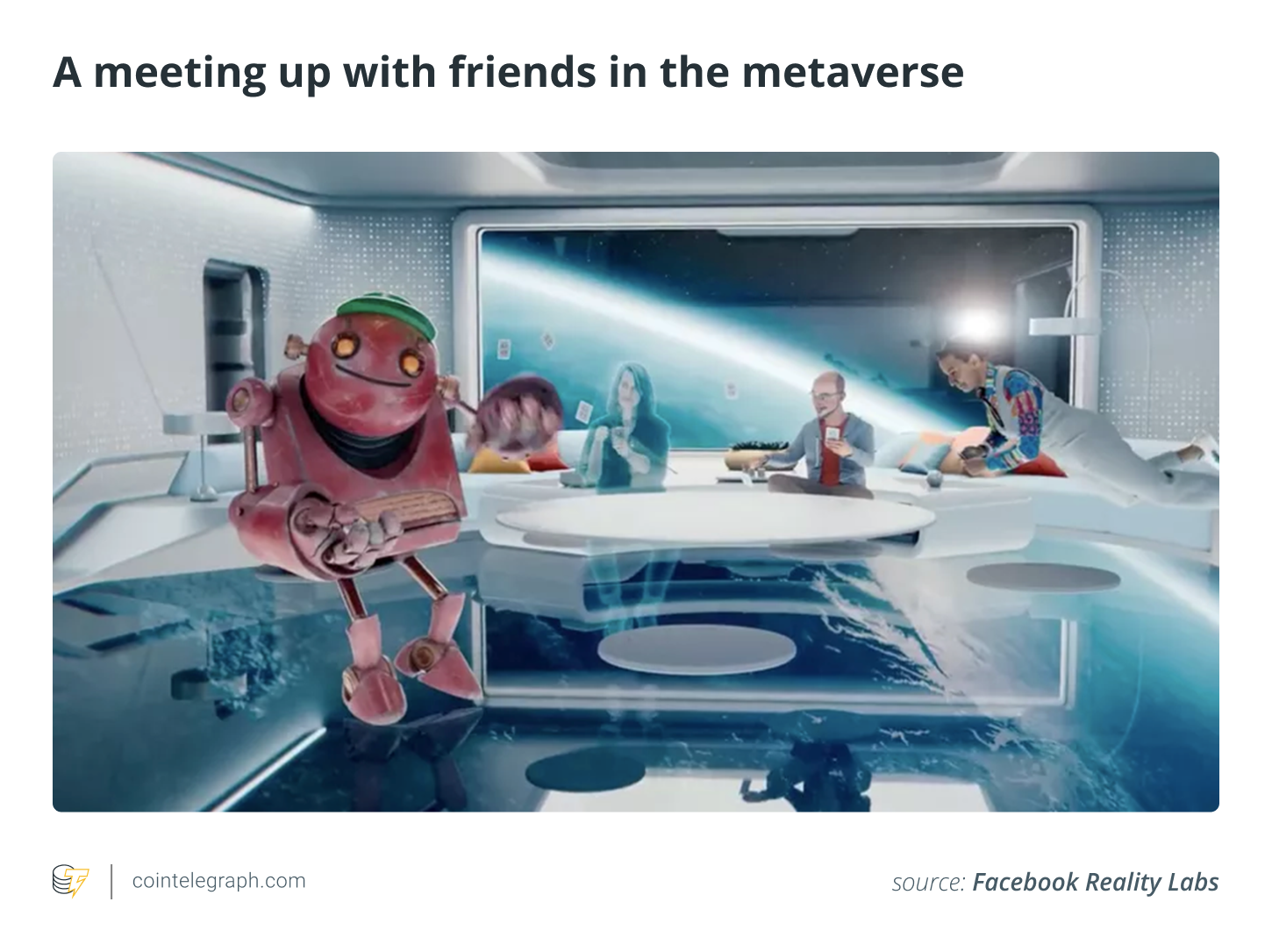
On the other hand, there is the potential for platform owners to harvest new and increasingly personal information and biometric data from users. Beyond this, bad actors may be able to create harmful content and use it to exploit individuals and communities. Recent examples of these risks include political misinformation and sexually explicit image abuse aimed at women. As we collectively explore how the metaverse will unfold, we all need to be diligent when it comes to user education, policymaking and the careful development of hyper-real technologies and AI. Ultimately, our biggest challenge as we approach a hyper-real metaverse powered by AI will come down to who controls user data and the safeguards we establish to protect individuals.
The first principle of securing your hyper-real identity in the metaverse is to positively assert ownership over your private biometric data. While it is up to governments to stop criminals from stealing your data and identity, at the very least, you can use blockchain technologies to stake a claim around your hyper-real identity and track its usage by legitimate content creators. Imagine securing your biometric data behind a nonfungible token (NFT) that represents your hyper-real identity that only you control. As you move between virtual worlds in the metaverse, you could use this NFT as an authenticated login service and control what platforms have access to your biometric data.
Consider virtual reality headsets, which are already capable of tracking users’ eyes, mapping their surroundings, and recording their voices. If participating in the metaverse is predicated on collecting these formats of biometric data, then we need to design systems to give individuals control over when and how their data is used. In this respect, Web3 tools, including blockchains and other permissionless technologies, are essential for ensuring data sovereignty in the metaverse because they are capable of tracking personalized content at scale without requiring users to blindly trust third parties with their biometric data.
Related: Digital sovereignty: Reclaiming your private data in Web3
Web3 will put individuals in control of their metaverse identity and biometric data
Attacking an individual’s personal identity in the real world is expensive in terms of time, resources and potential consequences. In the context of today’s internet, the barrier to identity theft at scale has been dramatically lowered, and millions of people are victimized by these attacks every year. Using Web3 tools, including NFTs and blockchains, to ensure individuals’ data sovereignty in the metaverse is critically important, as the deeply personal detail inherent in this data creates new opportunities for malicious actors to impersonate individuals and exploit our identities.
These risks are magnified in the metaverse. If an attacker can make your photo-realistic digital avatar say or do anything and other users are unable to tell if it is really you, it becomes far more challenging to combat fraud and build networks of trust that are essential for healthy communities. The hyper-real metaverse will unlock new opportunities to work and play in virtual spaces, but this can only happen if there is a deep shift in the way that data is exchanged and protected online.
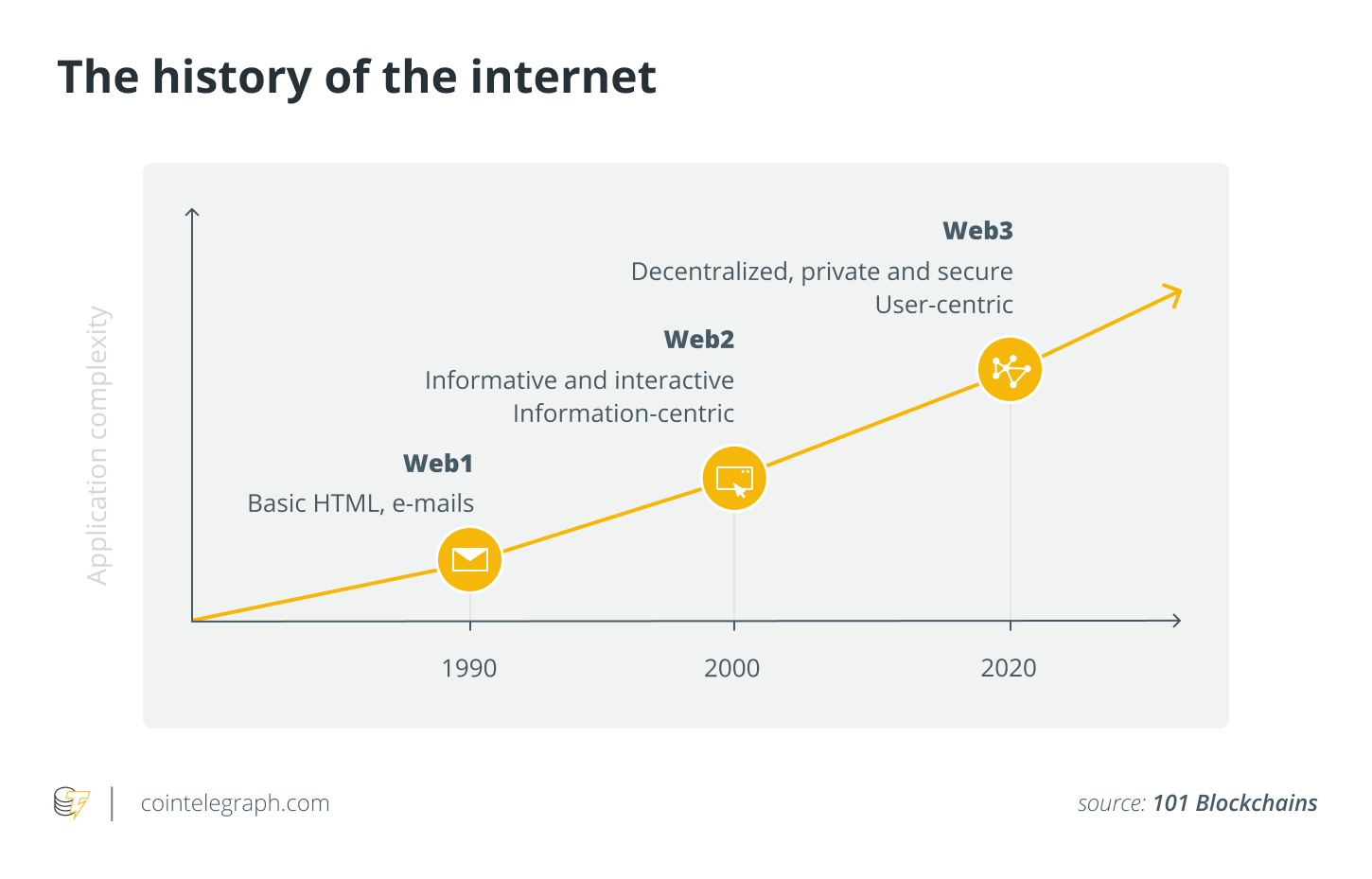
While malicious actors will always be present in the metaverse, Web3 technologies can provide a set of guardrails for a positive economy where individuals can safely share their biometric data and safely appear as themselves in metaverse content experiences. It is essential that we create systems that empower individuals to control how they are represented in the metaverse and who has access to their biometric data. These systems will make personalized content creation a consensual and collaborative process between corporations that create content and the individuals that participate in it. This is a profound shift from the incentive structures at the heart of the modern internet and Web2, where the price of entry to major platforms and the best products is giving up control over your personal information. For the first time, NFTs, blockchains and Web3 tools will allow users to participate in digital economies without having to give up control over their data.
This article does not contain investment advice or recommendations. Every investment and trading move involves risk, and readers should conduct their own research when making a decision.
The views, thoughts and opinions expressed here are the author’s alone and do not necessarily reflect or represent the views and opinions of Cointelegraph.
Tom Graham is a lawyer turned internet and society researcher. In the seven years prior to co-founding Metaphysic, Tom, a serial entrepreneur, built tech companies in San Francisco and London. He has always been obsessed with computational photography and computer vision and now works alongside the best developers in the space on the next evolution in how to build and perceive reality — one pixel at a time.