


After a banner year of 2021 for individual object sales through nonfungible tokens (NFTs), 2022 is poised to be the year of MetaFi. A recap of Beeple, Christie’s, Visa and endless aping-in celebrities hardly feels necessary, except to point out that we seem to be standing on (or perhaps have already crossed over) a fundamental precipice. While the rocket-propelled ascent of NFT prices will not continue forever, numerous voices have predicted that a mature tech stack for discovering, vetting, valuing, trading and protecting collections of digital assets will soon emerge, without a crash.
But these optimistic takes may even be selling the area short. Namely, the premise of the “NFT-Fi” sector is to create value through liquidity, but it has remained an unstated assumption that this liquidity would be confined fundamentally to the world of crypto itself. While it is still early days, those boundaries may be eroding, and we may all need to open our meta-apertures even wider. In this regard, Switzerland stands out among numerous countries that have only started to pilot experiments with central bank-backed digital currencies (CBDCs). The confederacy of cantons, home to both Davos and Art Basel, is known for its rich history of innovation in both creative and financial assets, and its moves are worth tracking closely.
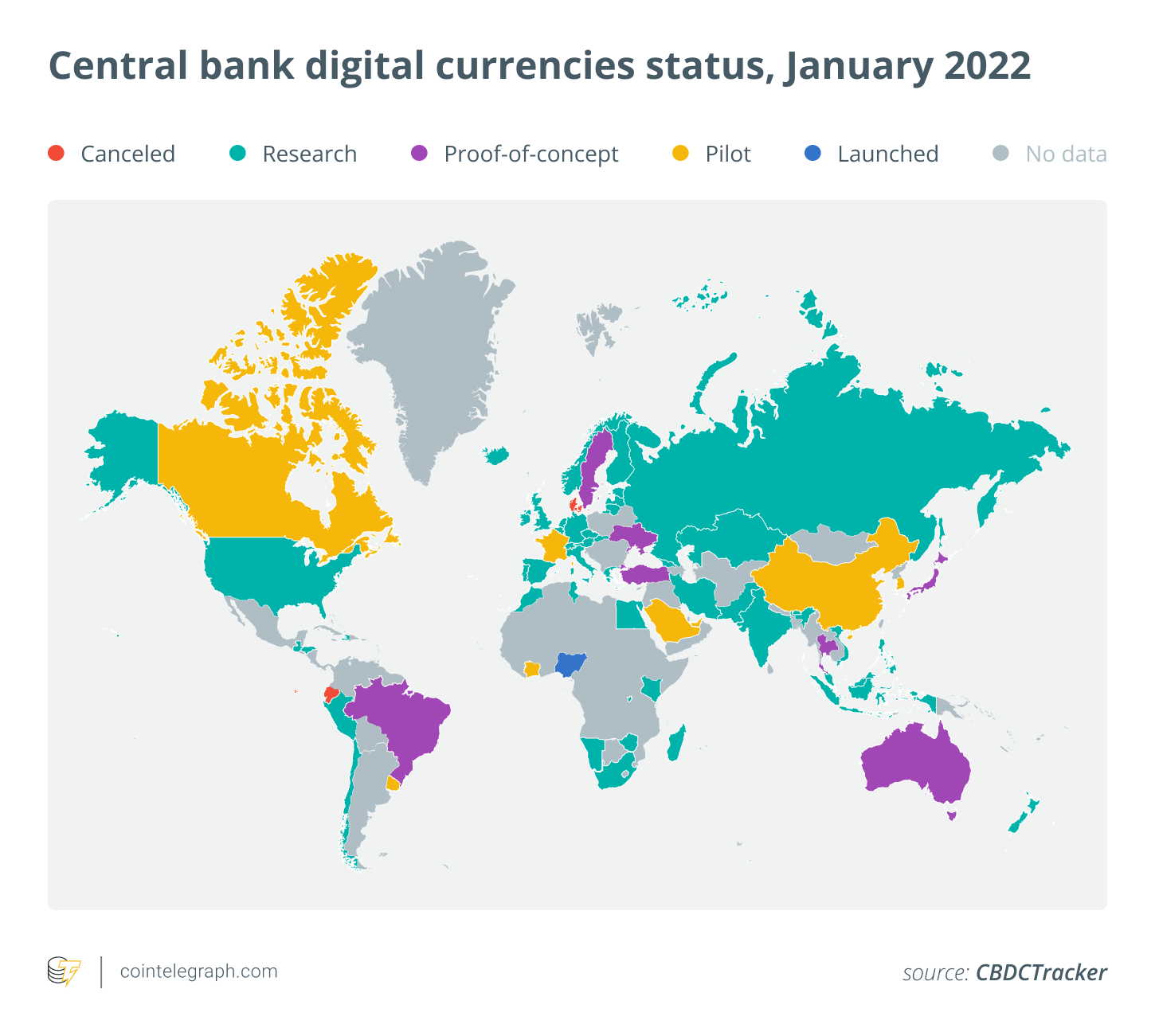
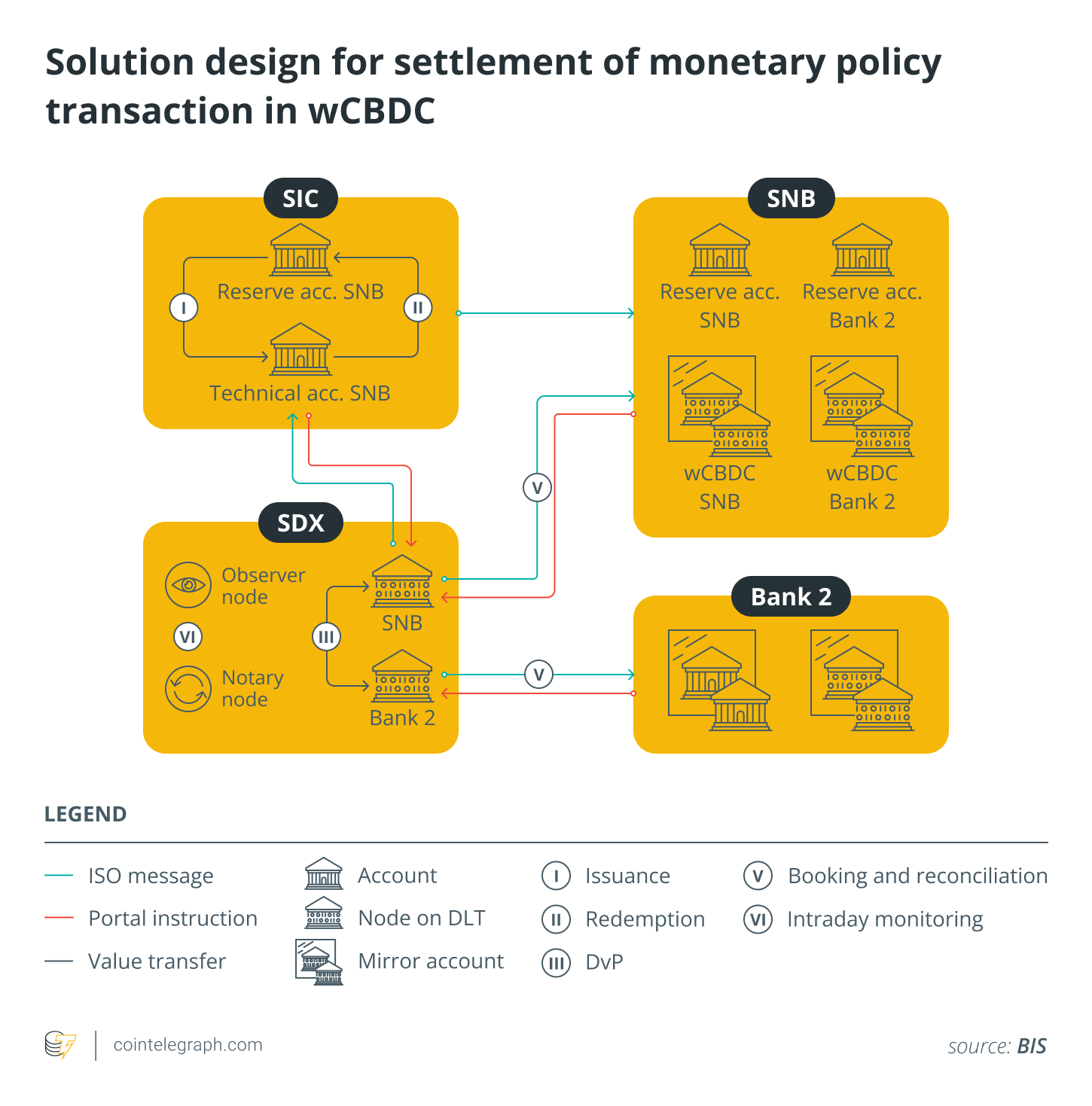
At the end of last year, the Six Digital Exchange (SDX), the digital entity of the SIX Group, the financial services company that operates the infrastructure of the Swiss national stock exchange, considered opening up their exchange to NFTs. This possible move dovetails with the advancement of a major experiment with CBDC. Taken together, these early steps will lend credence and endorsement to both digital currencies and the NFT secondary market, integrating many kinds of digital holdings more closely into the fabric of Swiss finance, itself.
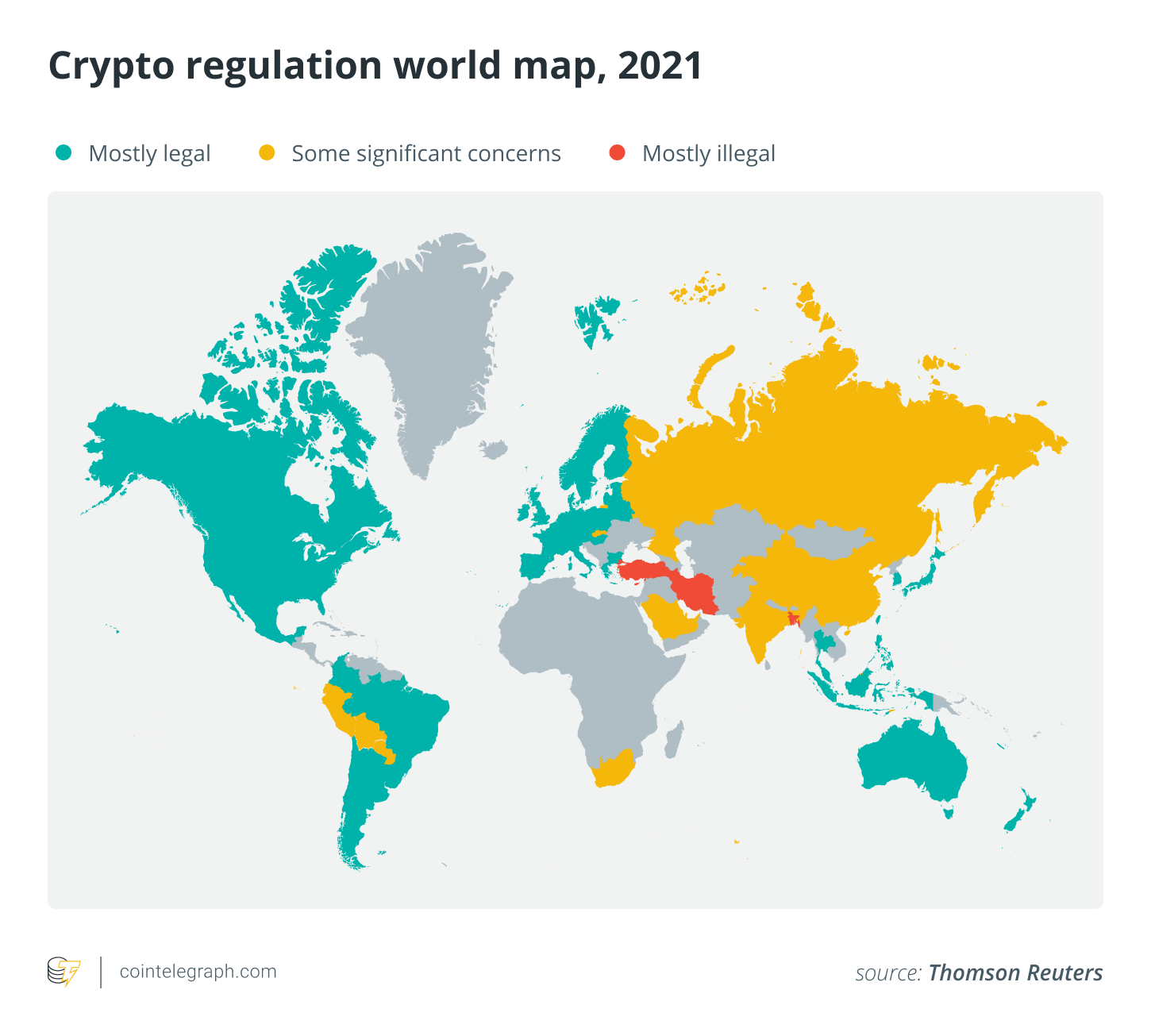
To say that the international regulatory perimeter of tokenized assets is inchoate or poorly understood would be a wild understatement. Legal ambiguity, bad actors, technology failures, public panics and more can undermine the smooth functioning of digital marketplaces, with the potential for spillover impact on the conventional markets magnified by their growing imbrication. Recent hand-wringing over the identity exposure of the Bored Apes creators as well as revelations from the multibillion-dollar Bitfinex hack attests to the already enormous stakes of calibrating the needs for personal privacy and public disclosure.
As Web3 enters territory that blurs the line between not only physical and digital goods but also between private and public exchanges, it is imperative to consider how legal frameworks (and the path of least resistance through them) have shaped the analog version of this world that the crypto-forward future hopes to supplant.
Related: Will regulation adapt to crypto, or crypto to regulation? Experts answer
Fully grappling with these questions is far beyond the scope of a short article. But for the present discussion, we would like to briefly highlight the question of digital privacy as a nexus between art, law and economics. Based on tactics pioneered in Switzerland coincident with the rise of global finance in the 19th century, fine art has become a central means of moving assets through the shadows and edges of international law. This backdrop, poorly understood by those who are outside of the art industry, constitutes an enormously important context for the coming collision of international privacy laws, global digital art and the promise of a publicly verifiable blockchain.
The coming collision of public scrutiny and digital privacy
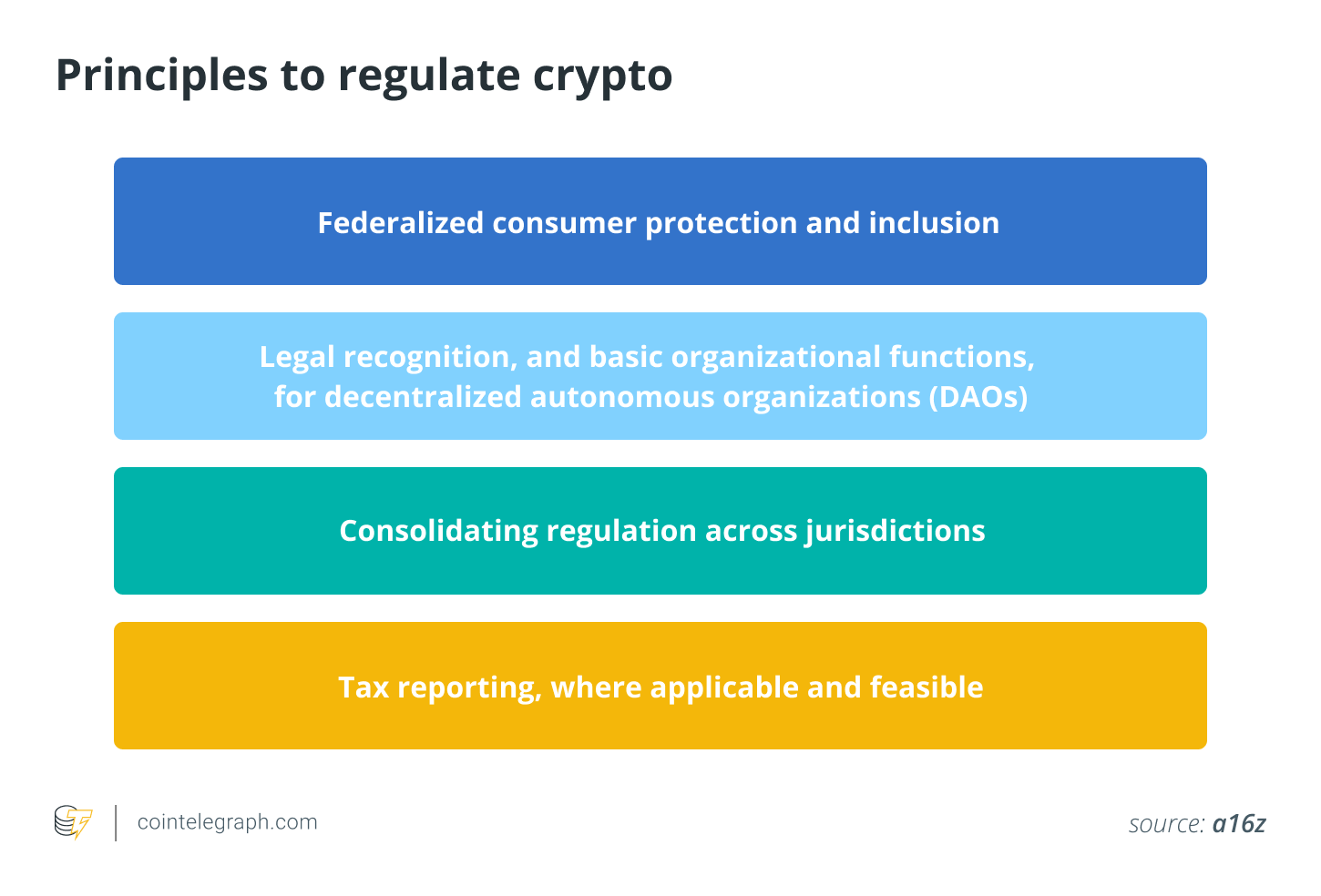
Regulators have been busy filling in the gaping holes left exposed by the vertiginous adoption, or in the case of Switzerland, legitimization of tokenized assets. But of course, any ambiguity in enforcement will ultimately undermine the smooth functioning of tokenized marketplaces, now with potential spillover impact on the world’s conventional markets.
Any updated government policy aimed at striking a balance between social interests and individual privacy could have rippling effects on investors, auction houses and art collectors. The General Data Protection Regulation (GDPR), one of the world’s toughest pieces of legislation on data privacy, has fast become the world’s blueprint for leveraging fines as a way to amplify the pain of breaches. Yet, records show that privacy breaches remain ubiquitous on a global scale. Penalties for violations of the European Union’s privacy law have soared nearly sevenfold in the past year. Data protection authorities have meted out $1.25 billion in fines over breaches of GDPR since early 2021, which was up from about $180 million a year earlier. Perhaps this coincides with the views of legal scholars who argued that monetary sanctions do not necessarily lead to better compliance and ultimately better data protection for individuals.
Related: Concerns around data privacy are rising, and blockchain is the solution
Why does it matter in the world of crypto? For one, until global legal authorities manage to catch up with the fast-moving cryptocurrency freight train (which they probably cannot), collisions with existing regulatory regimes are bound to occur. Lest we forget, cryptocurrency relies on a public ledger or a blockchain, which is used to maintain participants’ identities in an anonymous form, cryptocurrency balances, and a record book of all transactions executed. One can conveniently draw parallels between a blockchain and the use of Swiss numbered accounts, which was once used to maintain confidentiality thereby sidestepping any Internal Revenue Service’s oversight. These accounts were relics of the 80s before the rollout of the deferred prosecution agreement to forbid pervasive tax evasion.
What makes cryptocurrency unique — the ability to maintain a high level of anonymity and privacy — runs contrary to other tenets of data privacy law. A convenient example is the “right to forget” enshrined under the GDPR, but the immutable nature of the blockchain means it is nearly impossible for any given individual to exercise such a right. The law gives individuals the right to rectify inaccuracies in their personal data, and blockchain technology might make this right functionally impossible to exercise.
In the event that NFTs contain any traces of personal information — such as provenance for an NFT work — these bits of data may be caught by the long arm of extraterritorial law. And conversely, a well-established right to privacy could serve as a shield behind which all sorts of devious actors can operate. Such has been the historical norm of the art world for well over a century.
In the shadows of the freeport
In the pre-COVID, pre-BAYC moment, the biggest open secret in the art world had to do with the storage of art in “freeports,” specially demarcated economic zones exempt from most, if not all, taxation. While the exact scope of the practice is of course impossible to determine, serious investigative journalists have estimated that more than one million global works sit in such jurisdictional limbo. Predictably, one of the world’s largest and most valuable artwork storage freeport facilities sits in Geneva — a New York Times article reported that this single tax shelter housed more than a thousand Picasso works, as well additional objects produced by Old Masters including Da Vinci and Renoir. Important paintings by these eminent figures might fetch tens or hundreds of millions at auction.
Related: Minting, distributing and selling NFTs must involve copyright law
The practice of storing art objects and other valuable commodities within trading ports to skirt the edges of tax liabilities has been developed and refined by Swiss innovators, entrepreneurs and con artists for well over a century. The basic idea extrapolates from the well-established concept of a non-territorial treaty port for trans-shipment. While the Geneva freeport has been used to store grain, coffee and other goods bound to and from destination throughout Europe since its founding in 1888, it has increasingly found itself as a tax-advantaged repository at the crux of the global art trade. Old Masterworks procured at the original Art Basel, for decades the unchallenged clearinghouse for fine object d’art, could be left almost on site to appreciate in value and be resold without any tax on gains. More villainous possibilities, such as the trade-in of looted artifacts or exchange of dirty money for clear art, linger in the murky darkness. Such practices have been fostered by a deep-rooted cultural and legal framework of financial non-disclosure.
The time has changed
The new, Web3-powered chapter is now being written before our eyes in real time. While the United States’ biggest freeport recently closed after just two years in operation — COVID-19 pandemic and other factors seem to have withered the interest in the deluxe storage of objects — the Singapore-based Le Freeport, a new offering from the team behind the Geneva facility, held a major NFT exhibition to close out 2021. The exhibition featured nearly three dozen works by artists ranging from Beeple to Andy Warhol, and strikingly, only was for sale.
Such mostly non-sale exhibitions have been used to cultivate prestige around a work, a prestige that can later be used to justify inflated appraisals for regulatory arbitrage. And just this week, the U.S. Treasury flagged NFT sales as a new front in the global war on money laundering — as anonymous transactions may permit the trade of dirty money for clean art, which may then be resold, or soon, listed on a public stock exchange. One struggles to imagine a more perfect mechanism for obfuscating such transactions than the GDPR, nor a more respectable venue for disposing of such newly “cleaned” assets on a public stock exchange.
Importantly, financial regulatory frameworks create paths of least resistance–loopholes designed into the system, thin enforcement mechanisms, and opportunities for regulatory arbitrage have all funneled capital and its associated cultural products into one direction or another. As we have argued elsewhere, the advent of the serial-style work of Pop Artists such as Jasper Johns and Andy Warhol was equal parts aesthetic innovation and tax evasion. The recognized achievements of Land Art, media art and 1980s painting were all made possible by matching ingenuity on the right and left sides of the balance sheet.
What will come of the collision of newly empowered privacy law, non-sovereign wealth and newly unshackled crypto-creativity will perhaps only be known in time. But as the world’s legacy and decentralized systems for art and money grow more interconnected, the stakes of success and failure continue to grow more vertiginous by the day.
This article was co-authored by Michael Maizels and Adam Au.
The views, thoughts and opinions expressed here are the authors’ alone and do not necessarily reflect or represent the views and opinions of Cointelegraph.
This article is for general information purposes and is not intended to be and should not be taken as legal advice.
Michael Maizels, an art historian by training, is a technology researcher with Pilot44, a boutique innovation consulting firm in San Francisco, and is also affiliated with the metaLAB, a think tank and creative design studio at Harvard University. His new book on financial innovation in modern art history will be out from the University of Michigan in September.
Adam Au is an attorney and international data privacy expert based in Hong Kong. He is currently general counsel & company secretary of a public health company, and is a regular contributor to the South China Morning Post on topics at the intersection of technology and international law. He holds an economics degree from Brown, a law degree from Oxford and an MBA from MIT Sloan.