


Scientists can leverage blockchain tools, such as smart contracts and tokens, to improve collaboration in scientific endeavors between different stakeholders. This so-called decentralized science movement, or DeSci for short, combines blockchain and Web3 technologies to improve scientific research.
A primary goal of DeSci is wider participation and funding when approaching scientific challenges, as well as democratizing the peer-to-peer review process, which is dominated by a few journals in which it can be costly to appear and combatting censorship. DeSci can also create standards for research storage with the proof of existence technology. Whereas on financial blockchains such as Bitcoin, transactions are verified by a network of miners, research could also be verified by participants in a blockchain network of scientists, etc.
Decentralization of science
Blockchain-based peer review ecosystems can be transparent, and they can lend credibility to research contributed by even pseudonymous participants. Scientists might, for instance, receive a stake or “reward” for participating, incentivizing a wider community to contribute.
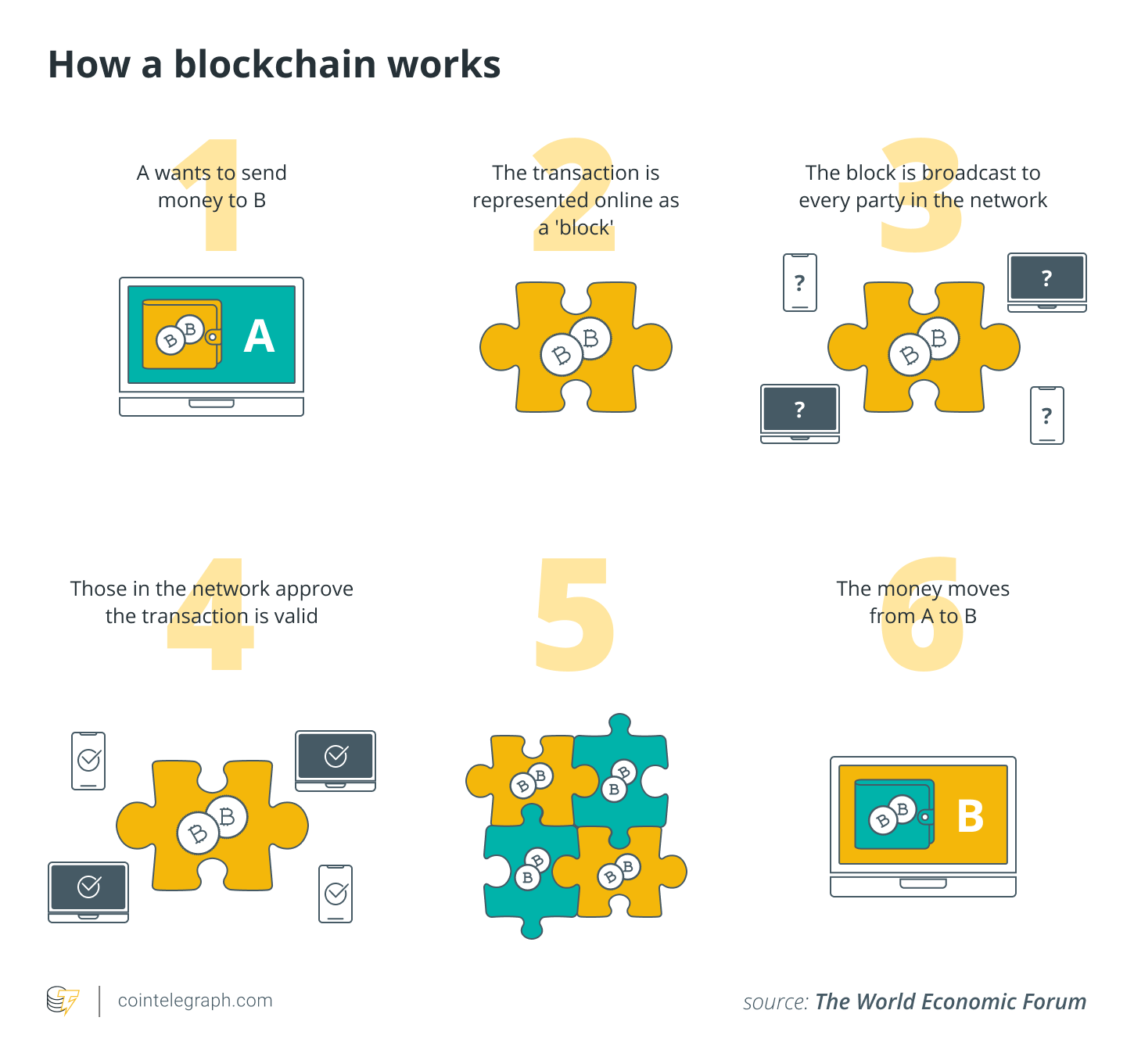
Essentially, decentralized science makes possible the development of platforms that empower more people to work with what Dr. Benjamin Bratton calls the “source code of matter” at a fundamental level. To democratize science through decentralized science would allow for a new kind of interface layer for a modern Scientific Revolution. The way to do this is to decentralize access to scientific pursuits — in short, to allow citizen-scientists a role.
We saw this happen with computers, and we believe it could happen with science generally. At the beginning of the computer revolution, software was difficult to work with. Very few understood the rarified technologies, which, over time, became increasingly intuitive and simplified — thanks to different levels of abstraction — and therefore allowed more people to become valuable contributors. Some of the technologies that made this possible include Javascript and helpful packages developed to make coding more efficient. At a lower level of abstraction, there is a technology like WordPress that allows people who don’t understand software or coding to set up their website.
Blockchain tech for science
Blockchain technology (tokens, NFTs, metaverses) has the potential to positively impact platform economics in such a way that democratizes access to scientific collaborations. When you think of platforms, you generally think of Uber or Airbnb, which are world-changing projects, in and of themselves. But, the economics of platforms is something that is a very new field of research and is indeed even pushing game theory as an academic discipline forward. This process began with Bitcoin (BTC) and has only been furthered by Ethereum (ETH) and the dozens, if not hundreds, of other blockchains since.
Related: Which blockchain is the most decentralized? Experts answer
Historically, web platforms and apps have tended to be centripetal in their process of value creation; the more they are used, the more value the platform builder realizes. Blockchain makes possible a more equitable arrangement whereby the more people who participate in any given platform, and the more people adding value to the platform, the more they are getting back from the platform.
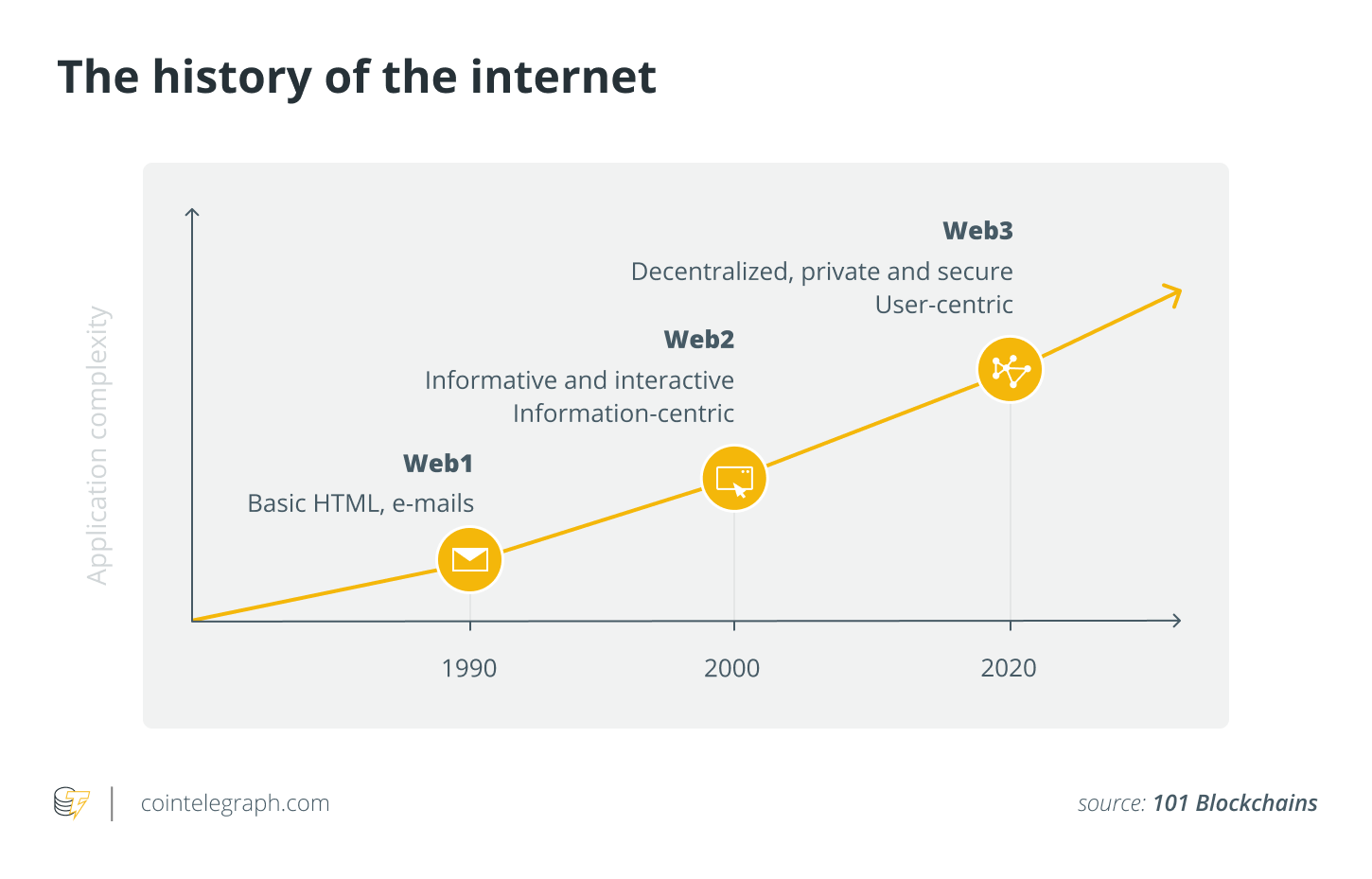
Decentralized science (DeSci) is different from an IP platform or a platform in which the more it is used, the more the platform benefits, and the value consolidates. In the case of DeSci, the people who generate the value — the researchers, the scientists, citizen scientists, etc. — gain value in line with the value of their contribution; i.e., the more it is used by other researchers and scientists, etc., the more value they receive.
The impact that this can have on basic research in science and math and other kinds of things could be enormously important. DeSci is creating new ways of contributing and collaborating which were not possible until blockchain technology came along. If you have knowledge or understanding that is valuable intrinsically and as a component of a larger project (you might not even know what that project is), someone else may make use of your contribution, and you can be recognized for it, and earn residuals from that contribution on into the future.
NFTs will play a big role in the future of the metaverse, for it is through NFTs that scientific research could be securely transferred. Academia has already used NFTs. The University of California, Berkeley, for instance, auctioned off an NFT pegged to documents relating to the world of Nobel-prizewinning cancer researcher James Allison for more than $50,000. The U.S. Space Force, a branch of the U.S. Armed Forces, began selling a series of NFTs featuring augmented-reality images of satellites and space iconography. Biology pioneer George Church’s company, Nebula Genomics, plans to sell an NFT of Church’s genome. Church is a geneticist at Harvard University in Cambridge and helped launch the Human Genome Project. There are burgeoning use cases for NFTs in science, and surely there will be more.
Related: Life’s code: Blockchain and the future of genomics
Blockchain is a high resolution of sensing, indexing and calculating value. The potential is there, and now it is up to DeSci organizations to prove their merits, scientific quality and overall effectiveness at improving the scientific process.
This article does not contain investment advice or recommendations. Every investment and trading move involves risk, and readers should conduct their own research when making a decision.
The views, thoughts and opinions expressed here are the author’s alone and do not necessarily reflect or represent the views and opinions of Cointelegraph.
Steve McCloskey is an alumnus of the first class of Nanoengineering at the University of California, San Diego. Steve’s work is focused on emerging technologies applied to Science, Technology, Engineering and Mathematics (STEM). After graduating from UCSD, he founded Nanome Inc to build virtual reality solutions for scientists and engineers working at the nanoscale, specifically protein engineering and small molecule drug development.