

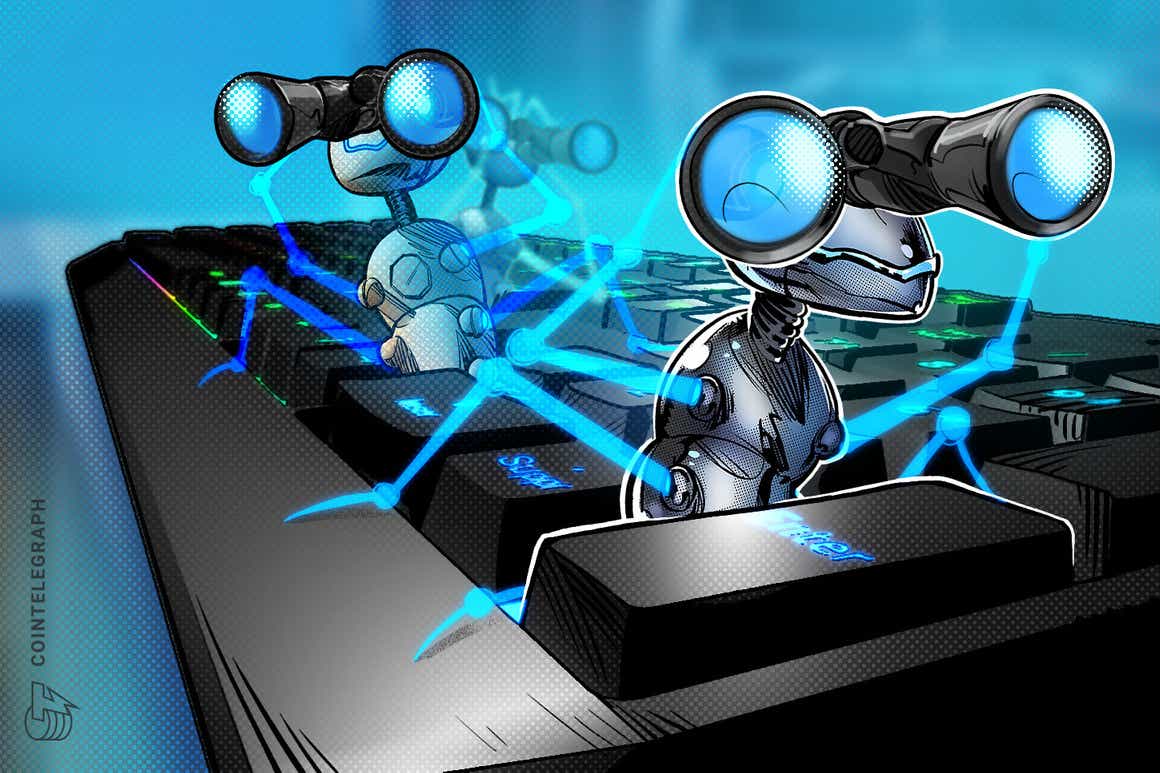
Unlike some of my peers in the technology space, I don’t see the Metaverse as a virtual world in which we work, socialize and shop. Rather, I see it as a point in time, reached in 2020 and into this year because of the global pandemic, when the digital world became as important as the physical world. It’s a shift away from the idea that physical reality is superior and preferred over digital reality.
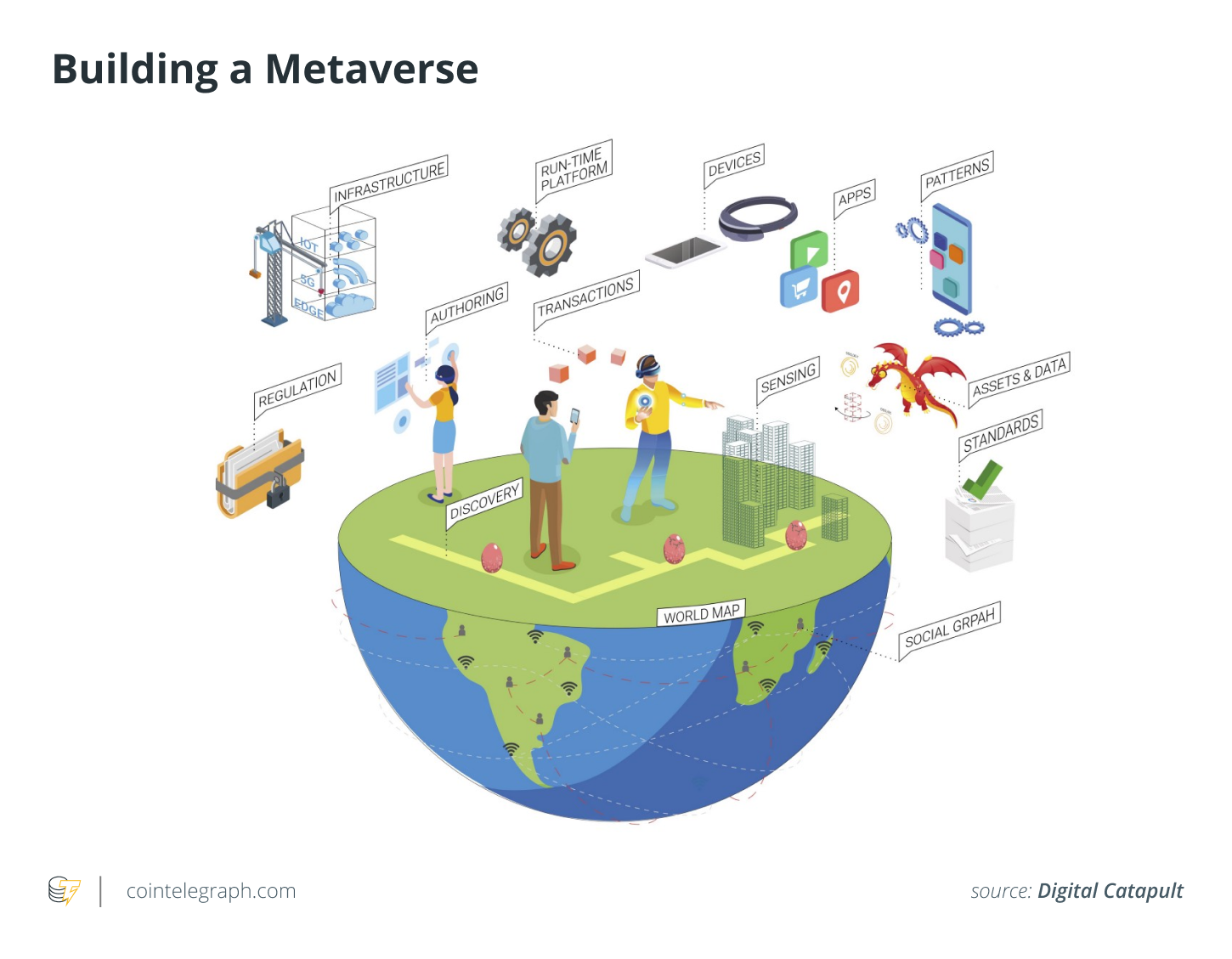
Work for many has turned into a series of Zoom meetings, people are buying virtual real estate, and children are spending time with their friends in Fortnite and Roblox. Facebook’s rebranding as Meta signals that there’s no going back to the way things were before, as a critical mass of people has realized the benefits of operating within a digital reality.
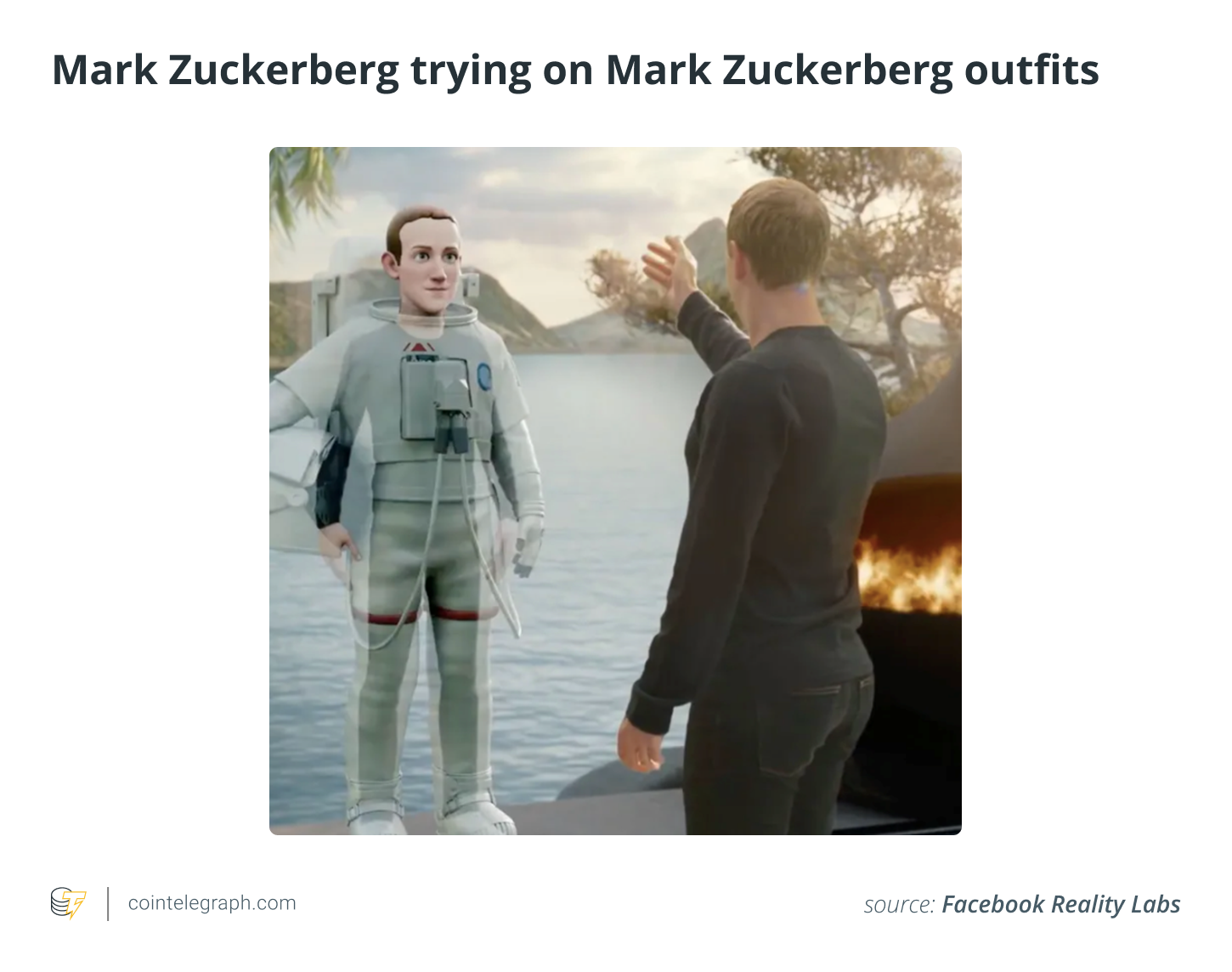
And with this crashing of realities comes the realization that the shreds of privacy we have enjoyed could soon be transformed into a dystopian nightmare where we can be arbitrarily banned from the virtual environments in which we live, work and play.
Related: The metaverse: Mark Zuckerberg’s Brave New World
An erosion of anonymity
As digital resources become more and more critical to us, they’re being linked together more tightly. Although we haven’t hit yet a point where everything is integrated under a single account, we can see where things are headed based on what’s already happened — specifically when it comes to using Facebook and Google accounts as a gateway to many different platforms.
Many of today’s digital privacy worries — such as identity theft, stolen personal information and targeted ads — can be traced to the very breakthrough that made Facebook a success, which was giving people enough incentive to register with their real names. Before Facebook, most people used pseudonyms online and were not comfortable sharing so much personal information openly. They were anonymous, acting across separate forums. With Facebook having people’s names, connecting payment services including Apple Pay and Google Pay, along with Amazon purchasing profiles, all of a sudden most internet users have an online persona that shows how they interact within the digital realm. There are already significant privacy implications from having all those services connected, leaving people’s data vulnerable to hacks or abuse.
Related: The data economy is a dystopian nightmare
When we shift most of our lives to a digital realm, the threats of compromised data and being closely tracked, among others, become way more acute. To borrow a term from the crypto world: It’s almost like putting your entire life in hot storage, where it’s always accessible and vulnerable to bad actors, as opposed to cold storage, in which only you control the keys to your assets.
This shift sets us up for a future where whoever controls the access to what becomes the metaverse master profile can enforce legislation against the provider of that account. There may be situations where if a person doesn’t comply with whatever mandates or regulations are in place, that person may find themselves de-platformed — which, in this case, would cut off the sole, critical avenue in which we work and socialize. This individual would become a digital outcast.
When Mark Zuckerberg announced the rebranding of his company, people commented that when you die in the metaverse, you “die” in real life. That’s a scary idea. You’re still alive but can’t access any of the people, places, resources or tools that you previously had access to. Something like that was just not possible in physical life before. Now it can happen quite easily, especially because there isn’t a lot of clarity around what our rights are and what legal due process is required within the digital realm.
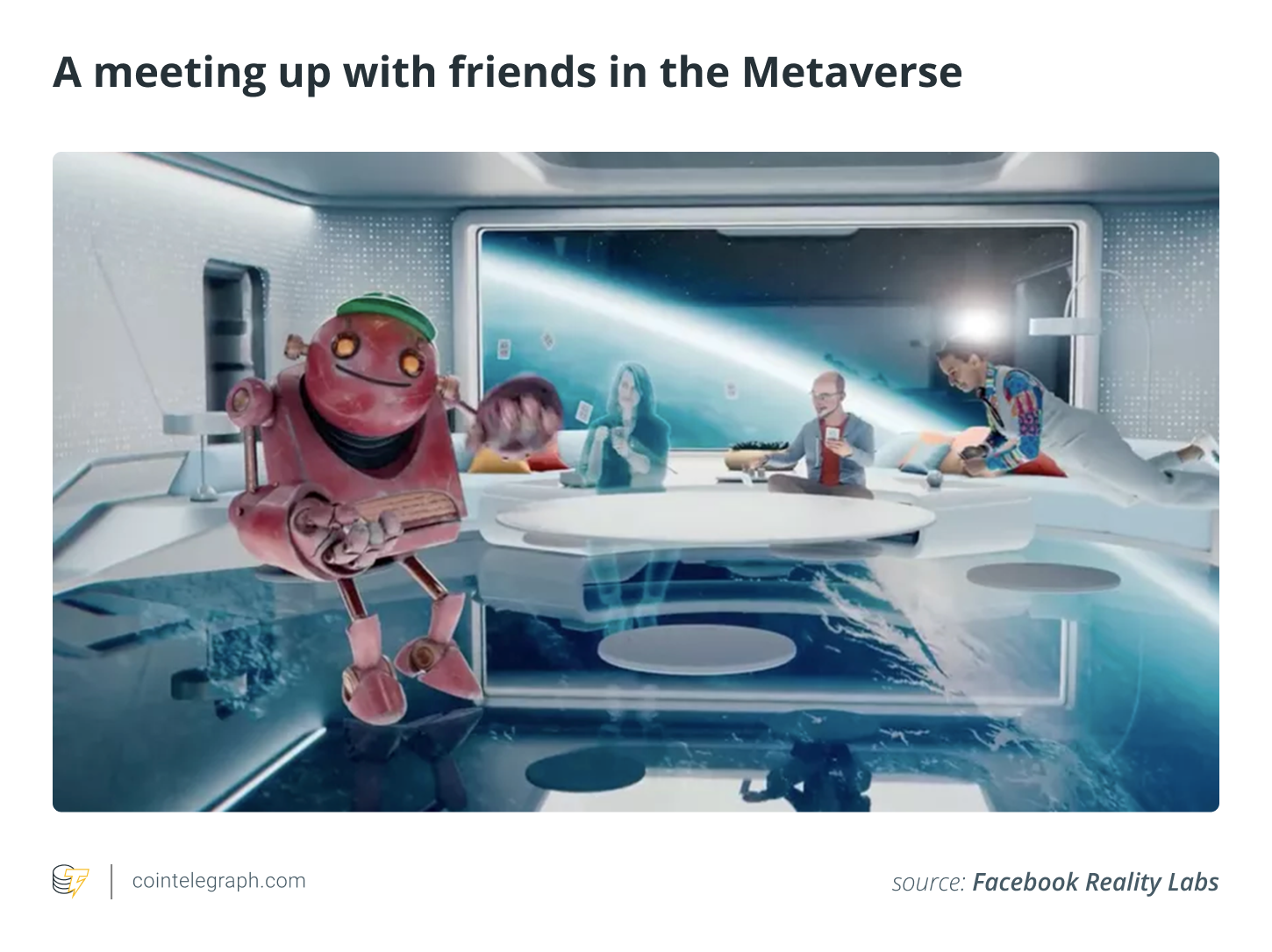
Erosion of rights
There’s already a legal blueprint for this scenario. The Patriot Act, passed post 9/11, basically granted the government free rein to effectively do whatever they want, without due process. Under the Patriot Act, if the federal government through the CIA, FBI or any of its enforcement branches puts in a surveillance request to Google, Facebook, or Apple for all of a user’s U.S.-based activity, by law, the company is not allowed to even notify that person that they’re under surveillance. There are massive penalties for them to take the side of the user in any respect.
Related: The new path to privacy after EU data regulation fail
We’re now putting more and more importance on our digital lives without clarity on our rights within this new world. We’ve already put too much trust in entities that have a demonstrated track record of abusing that trust, and not protecting the information that is provided to them. We’ve bought into these systems, and we’ll effectively become digital serfs where we exist at the convenience of the platform provider. We’re all on our own, without any rights in the digital realm.
If we become inconvenient, we can be easily silenced and de-platformed. That leaves us hoping for the best that we don’t cross an invisible line. Unfortunately, in the current climate, censorship and de-platforming have become prevalent, affecting people who weren’t breaking any laws, but just having an opinion that is not in line with the mainstream — like arguing against mask mandates, discussing alternative COVID drugs or even studying Facebook misinformation.
Ultimately, the only way to ensure our security is for us all to take full responsibility for ourselves. After all, there’s always the possibility that somebody could walk into your house, so you should keep your doors locked and take the extra step of securing the deadbolt. Currently, there are alternatives to mainstream platforms that are decentralized, open source and committed to user privacy. Let’s hope that instead of relying on the same big tech platforms we did in the Web2 era, we focus instead on building the metaverse from the ground up in a way that truly puts users in control of their digital lives.
This article does not contain investment advice or recommendations. Every investment and trading move involves risk, and readers should conduct their own research when making a decision.
The views, thoughts and opinions expressed here are the author’s alone and do not necessarily reflect or represent the views and opinions of Cointelegraph.
Colin Pape is an entrepreneur and the founder of Presearch, a private, decentralized search engine with 2.2 million users. He’s also the founder of ShopCity.com, a community commerce platform connecting local businesses and consumers.