
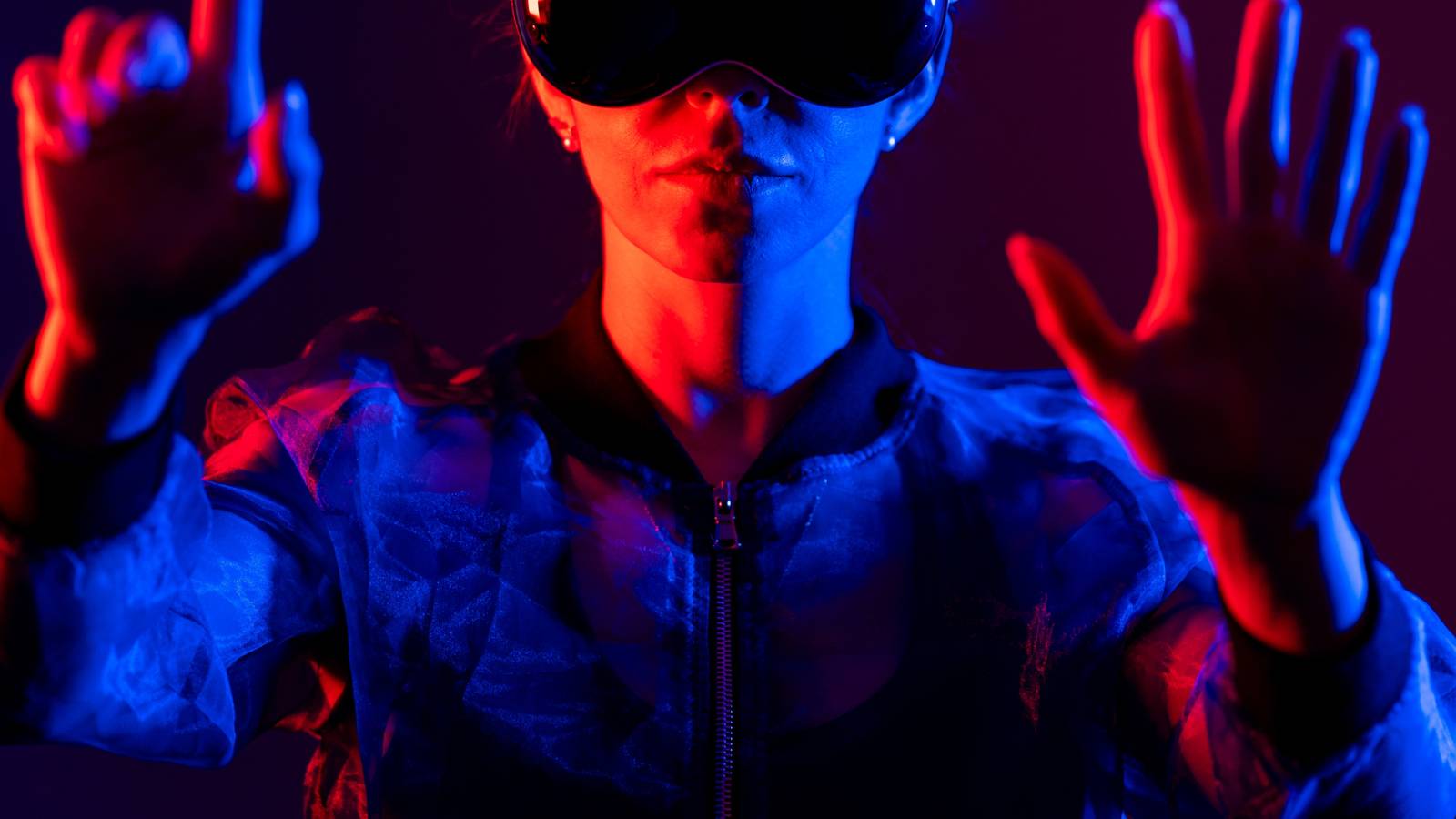
There are some features that are easy to immediately dismiss as gimmicks. Then, over time, they start to make sense. Apple’s “Personas” are one such feature, one Samsung and Google seriously need to imitate.
Apple’s “Personas” are lifelike avatars for video chats
Apple’s Personas are lifelike recreations of your face. Imagine a photo of you that moves and talks. If you’re in a video call with someone, your Persona mimics your real-world expressions.
Like Google Photos turning photos into video, this is the kind of feature that, for a lot of viewers, immediately triggers uncanny valley levels of disgust the moment anything looks off. This is a challenge video game designers face as well. Many of us think we want hyper-realistic games, but we really don’t. While screenshots may look real in a single frame, movement usually throws the whole thing off. We are then immediately repulsed by something that we once thought was impressive.
There are few things that approach the uncanny valley as rapidly as Personas. I immediately dismissed them, too. But they’ve improved, and I’ve since become a believer that Apple has the right approach.
3D avatars are not good enough
I own a Samsung Galaxy XR headset. I’m wearing it right now, typing these words via a Bluetooth keyboard. It’s proven capable of doing everything I’ve asked it to do thus far, except for one thing—video calls.
As an XR headset, there’s no way for Galaxy XR to point a webcam at my face. Even if I were to connect an external webcam, a view of me wearing giant goggles is hardly the appropriate vibe. So instead, Samsung offers what’s known as a Galaxy Avatar.
Here’s how it looked when I joined a work call using mine.
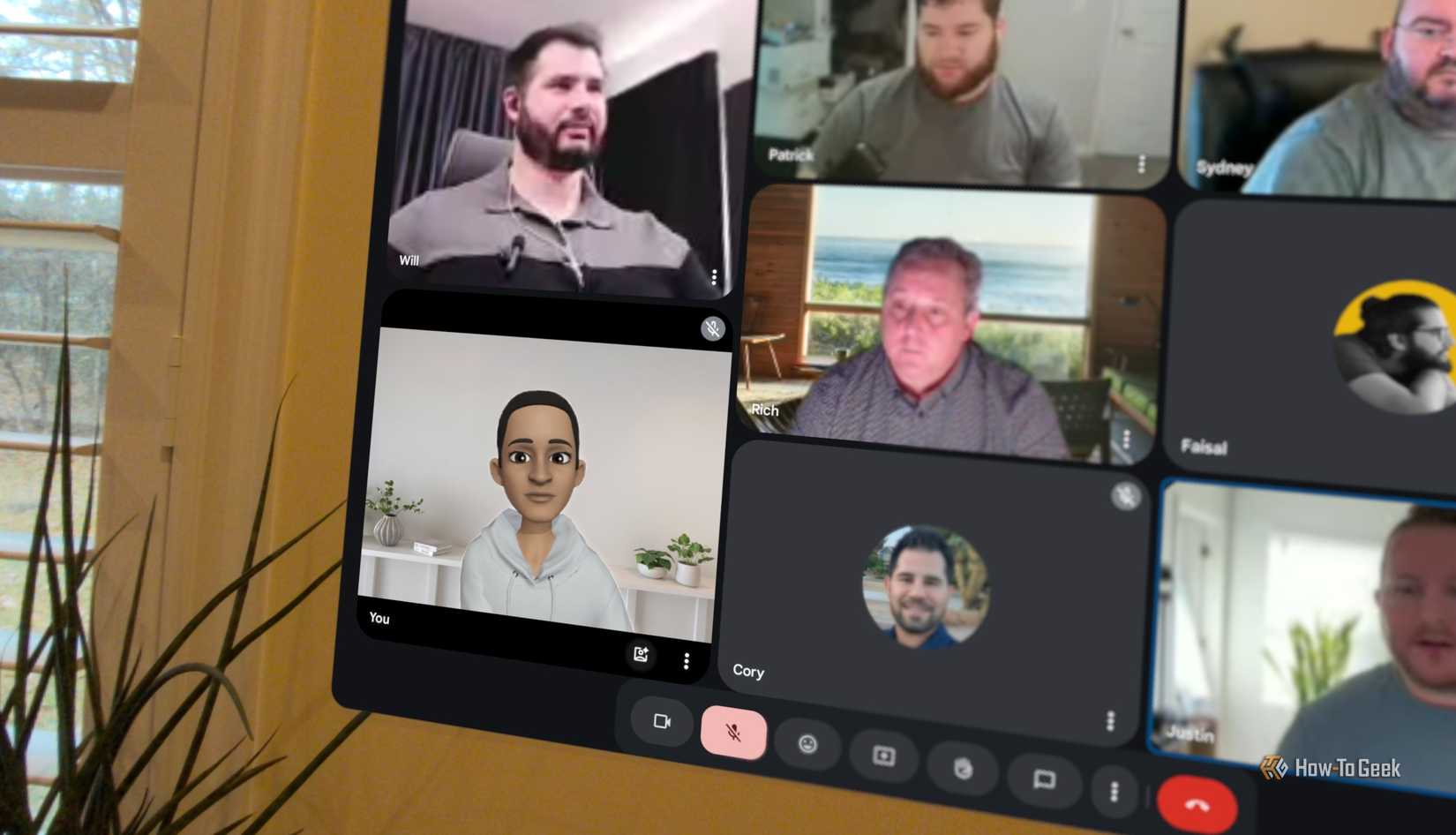
My colleagues were good sports about it, but I was a novelty and a distraction. After all, I was a Nintendo Mii character in a room filled with actual adults.
These avatars are comparable to the avatars you create for VR chats on a Meta Quest. That, however, is explicitly pitched as a gaming headset. Meta has even created a 3D VR world in the form of Horizon Worlds for those characters to navigate. That’s all great for MMO fans, but it’s not the look you go for if you’re pitching your product not as a gaming device, but a general purpose one, as Samsung has. Companies are not replacing Zoom with chats in Zuckerberg’s metaverse. Schools and colleges are hardly going to conduct classes in what feels like a VR video game. Even most family members won’t want to hold a conversation with the anime version of their loved one.
A lifelike representation is the next logical step
I bought a VR headset for productivity, not games. For many of us remote workers, video calls are a regular part of our working life. If I can’t place a video call from my VR headset, that limits when and how I’m able to use it during working hours.

The easiest solution, for meetings that allow it, is to simply leave my video off. But what about when that isn’t an option? Like I said, VR headsets don’t have front-facing cams in the way laptops and phones do. Besides, just imagine a grid full of workers all wearing VR headsets in a Zoom call together.
Likewise, a 3D avatar can never work. Even if the 3D visuals were as crisp as Cyberpunk 2077 on a maxed out gaming rig, I would still come off as a video game character in a meeting.
It’s only after considering all the other options that a lifelike talking photo starts to make sense. It’s the only option that, once the software matures, seems viable in either a professional or educational setting. Sure, it isn’t the same as looking at someone’s actual face, but we already socially accept talking to someone’s photo when they are unable to turn on a webcam, and we also accept an artificial background when someone wants to hide the clutter or people behind them. A lifelike persona can slip into that space of being not quite as good as a live video chat but acceptable enough.
Take a look at the current state of Personas on the Apple Vision Pro. I’d say Apple has already managed to pull it off.
For the time being, my phone remains my go-to device for video calls where I need my camera on. It’s a shame, too, because joining Google Meet on Galaxy XR is great for viewing presentations and shared documents. When it comes to video calls, Samsung’s current headset is, sadly, another case of two steps forward and one step back.
- Brand
-
Samsung
- Resolution (per eye)
-
3552 x 3840
- Display Type
-
Micro-OLED
- Storage
-
256GB
- Connectivity
-
Wi-Fi, Bluetooth
- Battery Life
-
2.5 hours
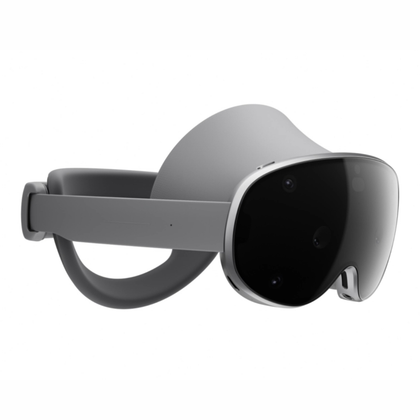
Samsung Galaxy XR is a mixed reality headset and the first to ship with Android XR. It runs nearly all Android apps in addition to content specifically designed for XR and VR alike. With full Play Store access, the ability to sideload apps, and an unlocked bootloader, the Galaxy XR is the most open headset at the time of its release.