

When’s the last time you saw someone using or promoting a 360-degree camera? You know, those cameras with the double fisheye lenses that can make spherical videos.
It seems like they were everywhere at one point with plenty of excitement to boot, but now it almost feels like that was all a weird dream.
The 360 Hype Was Once Very Real
Just a few years ago, I want to say, not too long before the pandemic, it felt like every photography influencer was pushing some sort of 360-degree camera. A new, better model was always around the corner, and people were coming up with all sorts of content.

These cameras come in a number of varieties. There were simple bar-type cameras that you could use to take photos of rooms or shoot immersive video on a stationary tripod, stereoscopic models that looked like a mutant spider head, but could shoot in 3D, and later action cameras similar to GoPros that let people capture things like skydiving and undersea adventures in a full 360-degree bubble.
But my YouTube feed is devoid of 360-camera content, despite all my other video-related stuff appearing as usual. I don’t really see a lot of hype around the technology, and it did make me wonder why 360 cams seem to be out of the spotlight at the moment.
People Were Going to Make VR Movies
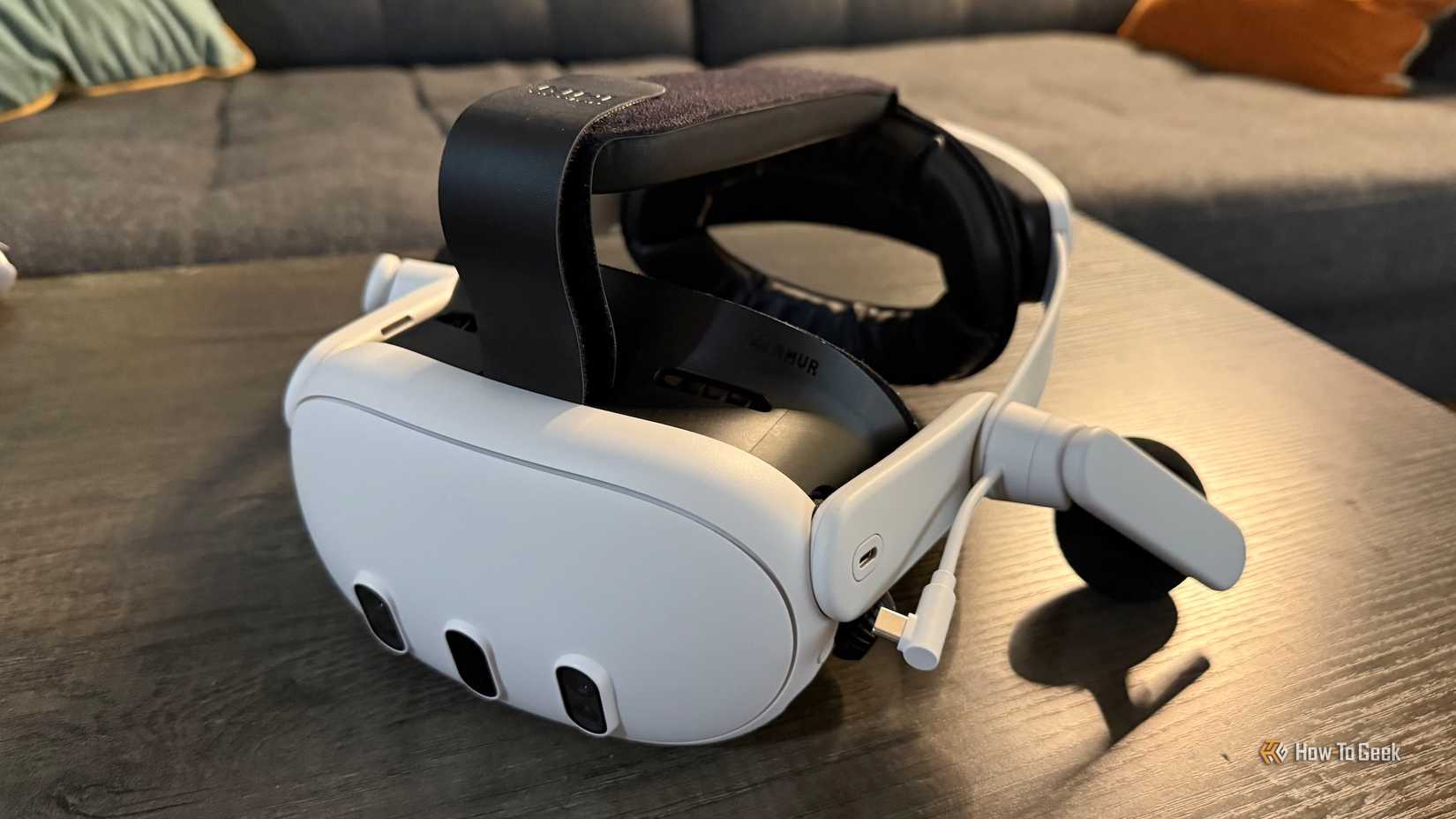
One reason I think this is happening is that 360-degree cameras are strongly associated with VR, and even today I consume most 360 video using my Meta Quest headset. However, VR itself has hit a pretty low level of interest right now and, while it’s still a strong niche in the overall entertainment space, people are just not as excited despite excellent products like the Quest 3 and PlayStation VR 2.
A few years ago that wasn’t the sentiment at all, and we were all going to transition to VR or AR headsets and that meant a big market for fully-immersive 360-degree video. Mark Zuckerberg was so confident, he rebranded his entire company to “Meta”, representing the “Metaverse”, which is a big swing,
That hasn’t been realized, at least not yet. So, with a limited audience of people with the right equipment to enjoy the content, there’s little reason to make 360-degree video, and so creators won’t necessarily have strong demand for the cameras.
Real Estate Agents Still Use Them Extensively

Where you will find plenty of 360-camera content is in the real estate business. It won’t necessarily be video, but these cameras are ideal for taking shots inside properties that can give prospective buyers a good idea of what it’s like to stand there in-person. You can use special virtual tour authoring software to let people “walk” through the location and check it out online.
This works well even without a VR headset, so there’s a broader audience, and it’s also great for virtual tours of locations for tourism and entertainment, not just for real estate sales.
It used to be that if you wanted to create those neat 3D-scanned “dollhouses” with tools like Matterport, you had to use a high-end 360-camera. However, thanks to the LIDAR scanners on some of Apple’s iPhones, you can now do something pretty close to that by just scanning the rooms in question using your phone.
A Lot of Video You Watch Is Actually Shot With a 360 Camera
While you may not hear much hype about 360-cameras anymore, there’s a pretty good chance that some of the content you regularly watch uses a 360-camera—just not for 360-degree footage.
It turns out, one of the best things about 360-degree footage is that you can reframe it back to normal flat video without much effort. This allows for vloggers and other solo content creators to forget about framing while they film, and just concentrate on the moment. Then, later, you simply use editing software to slice a normal video frame from the 360-degree footage. With the very high-resolution 360-cam models, you won’t even notice a loss in resolution, and the software can “flatten” the spherical video out pretty well.
It’s Still Worth Owning One
While people who know they need a 360-camera probably already have one, there are still plenty of good reasons to own one as part of your camera arsenal. I recently sold off all our 360-cameras, mainly because they were getting a little long in the tooth, and the latest models have improved by leaps and bounds.
I’m definitely in the market for a new one at some point though, since there are some types of content creation where these cameras just make life easier, even if you don’t plan on having a 360-degree video as the final output.